Choosing the right moisturizer is essential for healthy, glowing skin. With so many options available worldwide, it can be overwhelming to pick the best one for your skin type. Moisturizers are not just about hydration; they also protect your skin, improve texture, and prevent premature aging. This guide will help you understand different types of moisturizers and select the right one based on your skin type and needs.
1. Identify Your Skin Type
The first step in choosing a moisturizer is understanding your skin type. Different skin types need different formulations.
Common skin types:
- Normal Skin: Balanced oil and moisture, minimal sensitivity
- Dry Skin: Flaky, tight, or rough texture
- Oily Skin: Shiny, prone to acne or enlarged pores
- Combination Skin: Oily in some areas, dry in others
- Sensitive Skin: Red, itchy, or easily irritated
Knowing your skin type ensures that the moisturizer you choose will work effectively.
2. Understand Moisturizer Types
Moisturizers come in various textures and formulas, each suited to specific skin needs.
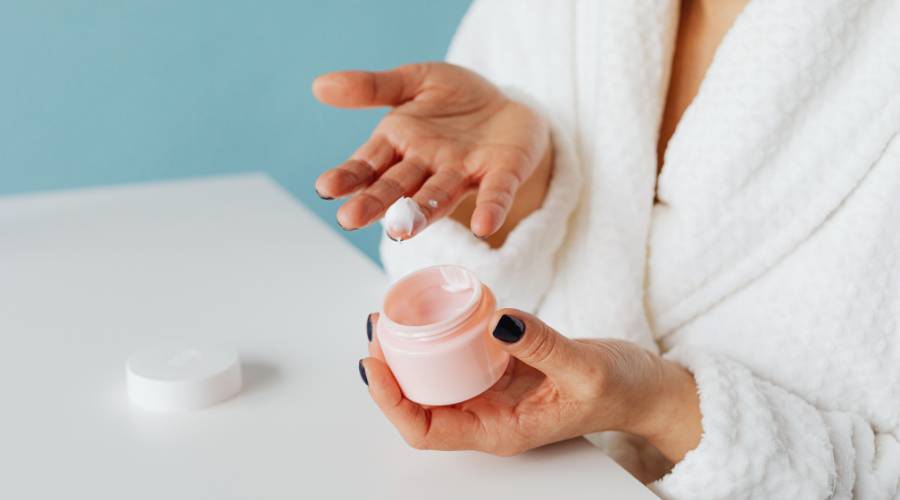
1. Creams
- Thick and hydrating
- Ideal for dry or sensitive skin
- Suitable for winter or cold climates
2. Lotions
- Lightweight and easy to apply
- Perfect for normal to combination skin
- Absorbs quickly without greasiness
3. Gels
- Water-based and non-greasy
- Best for oily or acne-prone skin
- Often contains soothing ingredients like aloe vera
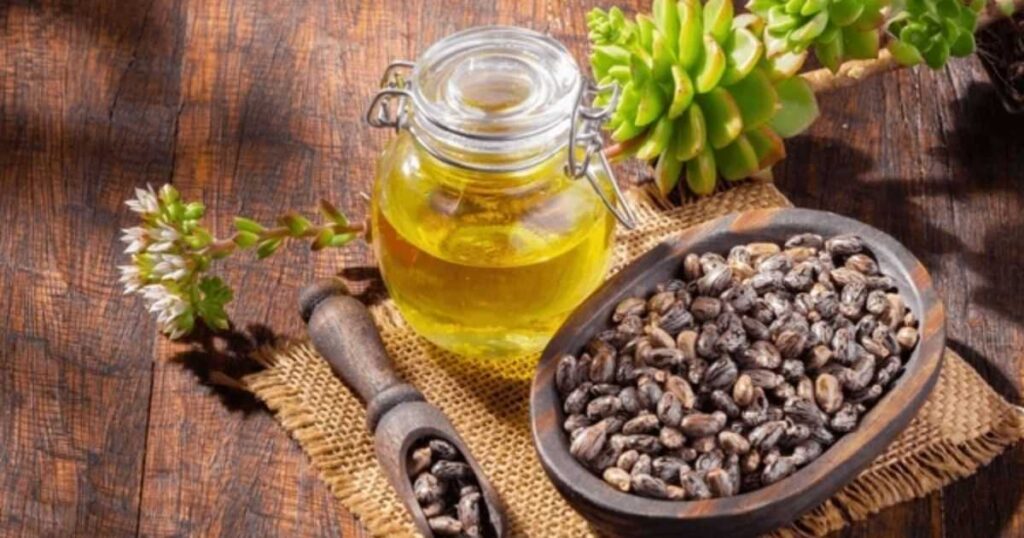
4. Oils
- Heavy hydration for very dry skin
- Natural oils like jojoba or argan oil
- Can be mixed with a cream for extra nourishment
3. Check Ingredients
Always read the ingredients label before purchasing. Look for ingredients that suit your skin type.
For Dry Skin:
- Hyaluronic acid
- Glycerin
- Shea butter
For Oily Skin:
- Salicylic acid
- Niacinamide
- Lightweight botanical oils
For Sensitive Skin:
- Aloe vera
- Chamomile
- Fragrance-free formulas
Avoid harsh chemicals like alcohol, synthetic fragrances, or sulfates if your skin is sensitive.
4. Consider SPF Protection
For daytime use, choosing a moisturizer with SPF is essential. It protects your skin from UV damage, prevents premature aging, and reduces the risk of pigmentation.
- SPF 15–30 for daily indoor exposure
- SPF 30+ for outdoor activities
- Broad spectrum UVA/UVB protection recommended
5. Test Before You Buy
Even after checking skin type and ingredients, always test a new moisturizer before full use.
Patch Test Tips:
- Apply a small amount to your jawline or inner wrist
- Wait 24 hours for any reaction
- Look for redness, irritation, or itching
This ensures the product suits your skin without causing adverse effects.
6. Adjust According to Climate and Season
Your moisturizer may change depending on the weather.
Hot/Humid Climates:
- Use lightweight, water-based formulas
- Avoid heavy creams that clog pores
Cold/Dry Climates:
- Opt for thick creams or oils
- Layering with hydrating serums can boost moisture
7. Consider Age and Skin Concerns
Different age groups and concerns require specific formulations:
- 20s: Lightweight hydration, acne prevention
- 30s: Anti-aging ingredients like peptides and antioxidants
- 40s+: Rich creams, collagen-boosting ingredients, SPF
8. Global Skincare Trends for 2026
Worldwide, minimalist and clean skincare trends are dominating. Consumers are choosing products that are:
- Sustainable and eco-friendly
- Fragrance-free or low-fragrance
- Multi-functional (hydration + SPF + antioxidants)
Choosing a moisturizer that aligns with these trends ensures modern, safe, and effective skincare.