Fashion brands can change dramatically over time. Abercrombie & Fitch is a good example. Once known for its distinctive mall-era image, the brand has developed a more polished identity built around denim, dresses, tailoring, and everyday wardrobe pieces. That change often makes shoppers wonder: Is Abercrombie Fast Fashion? The answer isn’t completely straightforward. Abercrombie shares some characteristics with fast fashion, including frequent product releases and large-scale global production.
However, its pricing, product positioning, and emphasis on more versatile clothing separate it from ultra-fast retailers. To understand where the brand belongs, you need to look beyond its current aesthetic and examine how its business model actually works.
What Is Abercrombie & Fitch?
Abercrombie & Fitch is an American fashion retailer best known today for contemporary clothing, denim, dresses, knitwear, tailoring, and casual wardrobe staples. Its modern image differs significantly from its early-2000s reputation. The company now focuses on broader appeal, refined styling, and versatile pieces designed for everyday wardrobes.
That evolution matters when discussing fashion brands and their production models. A company can offer sophisticated clothing while still operating at significant commercial scale. Therefore, Abercrombie’s current appearance shouldn’t be the only factor used to determine whether its business model resembles fast fashion.
What Is Fast Fashion?
Fast fashion generally describes a clothing model built around frequent new products, rapid trend response, large-scale manufacturing, and regular consumer purchases. Affordable pricing often appears alongside these characteristics, although low prices alone don’t determine whether a brand qualifies.
This distinction matters because not every fast-moving retailer looks like an ultra-cheap trend company. Some brands operate at higher price points while maintaining frequent product launches and substantial production. For that reason, assessing Abercrombie requires examining its production model, product turnover, sourcing, and overall approach to clothing.
Is Abercrombie Fast Fashion?
The most accurate answer is yes, with some important qualifications. Abercrombie shares several characteristics associated with fast fashion, particularly its frequent product launches, global supply chain, and large-scale retail operation. However, it doesn’t operate at the same extreme speed or price level as ultra-fast-fashion companies.
A more precise description is premium or elevated fast fashion. This acknowledges the brand’s fast-moving retail model without ignoring its higher pricing, contemporary positioning, and focus on products that can remain useful beyond a single trend cycle.
Why Is Abercrombie Considered Fast Fashion?
One major reason is the brand’s regular introduction of new products. Abercrombie doesn’t rely solely on a small collection of permanent essentials. Instead, its assortment changes throughout the year with new clothing, seasonal pieces, colors, and updated styles. This creates the recurring shopping cycle associated with fast fashion retail.
Production scale also matters. Abercrombie serves a large customer base through multiple channels and relies on international suppliers. That structure differs from small independent labels producing limited quantities. While scale doesn’t automatically make a brand unethical, it does place Abercrombie closer to the mass-market fashion model.
Why Abercrombie Doesn’t Look Like Typical Fast Fashion
Walk into an Abercrombie store today and the clothing may not immediately resemble traditional fast fashion. The brand emphasizes denim, tailored trousers, dresses, knitwear, and neutral basics rather than relying exclusively on disposable microtrends.
That difference can make classification confusing. However, a garment’s appearance doesn’t determine the company’s production model. A well-designed blazer can last for years while still coming from a retailer that releases new products frequently. Product longevity and fast-fashion operations can exist at the same time.
Where Are Abercrombie Clothes Made?
Abercrombie uses a global manufacturing network rather than producing every garment in one location. Like many major apparel retailers, the company works with suppliers in different manufacturing regions to produce its clothing and accessories.
Manufacturing overseas doesn’t automatically mean a company is fast fashion or unethical. The more useful questions involve factory standards, labor practices, production volume, material choices, and supply-chain oversight. Looking at these factors gives you a much clearer picture of responsible manufacturing than simply checking a garment’s country of origin.
Does Abercrombie Produce Large Quantities?
Abercrombie operates on a considerably larger scale than an independent fashion label. It sells through physical stores, digital channels, and several brands within its wider business. That commercial scale naturally requires substantial production and distribution.
However, production volume alone doesn’t prove that a brand follows the worst forms of fast-fashion production. The speed of releases, garment lifespan, purchasing behavior, and environmental practices all matter. That’s why Abercrombie is better understood through several factors rather than one simple measurement.
Is Abercrombie Ethical?
Ethical fashion considers more than the appearance or price of clothing. It includes worker welfare, factory conditions, supplier standards, safety, and transparency throughout the supply chain. Abercrombie has established supplier expectations and programs designed to address social responsibility within its manufacturing network.
Still, those policies don’t automatically make the entire company an ethical fashion leader. Strong ethical performance requires consistent implementation, transparency, and measurable progress. For shoppers, the fairest conclusion is that Abercrombie has taken steps toward responsible sourcing, but the brand shouldn’t automatically receive a completely ethical label.
Is Abercrombie Sustainable?
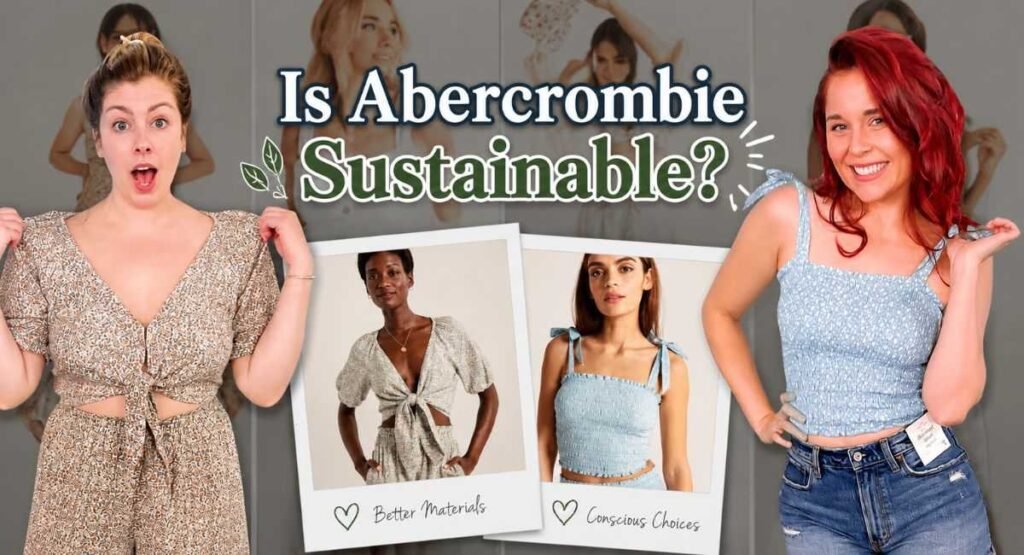
Abercrombie has introduced sustainability initiatives involving materials, packaging, environmental impact, and supply-chain practices. These efforts show that the company recognizes the environmental challenges connected with modern apparel production.
However, sustainable fashion isn’t simply about using a few preferred materials or setting environmental targets. Production volume, garment lifespan, waste, emissions, and consumer purchasing habits all contribute to the bigger picture. Therefore, it’s more accurate to describe Abercrombie as a brand making sustainability improvements rather than calling it completely sustainable.
What Materials Does Abercrombie Use?
Abercrombie uses different materials across its collections, so there’s no single fabric that represents the entire brand. Denim, cotton, synthetic fibers, knitwear, and blended materials can all appear across different product categories.
This variation makes individual product labels particularly useful. If you’re trying to make a more responsible purchase, check the fiber composition of the garment rather than assuming every item has the same environmental impact. Material choice is only one part of sustainability, but it’s a practical factor shoppers can evaluate themselves.
Is Abercrombie Good Quality?
Quality is one area where Abercrombie’s current positioning differs from bargain-focused fast-fashion retailers. Its range includes structured denim, tailored pieces, dresses, knitwear, and wardrobe basics designed with a more polished aesthetic.
Still, quality can vary between garments. Fabric composition, stitching, construction, washing, and personal care all influence how long something lasts. Rather than assuming every item is premium, examine the individual garment and consider whether you’ll wear it enough to justify the price.
Is Abercrombie Worth the Price?
Whether Abercrombie is worth the price depends heavily on how you shop. A versatile pair of jeans, tailored trousers, or well-fitting dress can provide strong value when you wear it repeatedly. In that sense, cost per wear can matter more than the original price.
However, expensive clothing isn’t automatically ethical or sustainable. Before purchasing, consider the fabric, construction, fit, versatility, and expected lifespan. If a garment works with several outfits and remains useful for years, it can make more sense than repeatedly buying cheaper pieces.
Abercrombie vs Zara
Abercrombie and Zara both respond to changing fashion preferences, but their positioning is different. Zara is strongly associated with rapid trend turnover and accessible pricing. Abercrombie generally focuses more heavily on denim, contemporary basics, tailoring, and premium casualwear.
That doesn’t make Abercrombie slow fashion. Instead, it demonstrates why fast fashion exists on a spectrum. Abercrombie operates at a more premium level while still sharing certain characteristics with the broader fast-fashion retail model.
Abercrombie vs H&M
H&M is more closely associated with conventional fast fashion because of its broad product assortment, accessible pricing, and rapid response to fashion trends. Abercrombie generally sells at higher prices and emphasizes fit, denim, elevated basics, and contemporary styling.
Neither distinction makes one company automatically sustainable. The more meaningful difference is how shoppers use their purchases. Buying fewer versatile wardrobe staples and wearing them repeatedly can reduce unnecessary consumption regardless of which retailer you choose.
Final Verdict:
So, Is Abercrombie Fast Fashion? The evidence supports a nuanced answer. The brand shares important characteristics with fast fashion, including frequent product introductions, global sourcing, and large-scale commercial production. At the same time, its higher price point, contemporary positioning, and emphasis on longer-wear pieces distinguish it from ultra-fast-fashion companies.
Calling Abercrombie elevated or premium fast fashion is therefore more accurate than placing it in the same category as the fastest trend-driven retailers. The brand has made progress in sustainability and responsible sourcing, but those efforts don’t completely remove the environmental and social challenges associated with large-scale clothing production.
FAQs:
Are Abercrombie clothes ethically made?
Abercrombie requires suppliers to follow its Vendor Code of Conduct and conducts factory audits covering labor and safety standards. However, that doesn’t mean every garment can be called completely ethical.
Is Hollister a fast fashion?
Hollister is generally considered a fast-fashion or mass-market fashion brand because it regularly releases trend-driven clothing at accessible prices. It’s part of the same Abercrombie & Fitch Co. group.
Are Abercrombie clothes good quality?
Generally, Abercrombie is positioned above budget fast-fashion retailers and is particularly known for its denim, fit, and contemporary basics. However, quality can vary by garment and fabric.
Is Abercrombie considered luxury?
No. Abercrombie is better described as a premium contemporary fashion retailer rather than a luxury brand. Its prices and positioning are above many mass-market brands but below traditional luxury houses.