Does 14K gold tarnish is a question many jewelry lovers ask, especially when their favorite pieces start losing shine. Even though 14K gold is known for strong durability, it can still change color over time because of daily wear, skin chemistry, and the environment.
When gold jewelry interacts with sweat, lotions, or air, it begins a slow gold tarnish reaction that affects its brightness. The good news is that this process is completely normal and easy to control with the right habits. Understanding how gold alloy composition works helps you protect your pieces better. With simple care steps, 14K gold stays beautiful for years.
What Is 14K Gold? (Composition & Why It’s Used in Jewelry)
Fourteen karat gold contains a mix of pure gold and stronger base metals. This blend creates a balanced metal that works well for rings, necklaces, and pieces you wear every day. The extra metals include copper in gold, nickel in gold, and silver alloys in gold, which help increase strength and shine.
These metals also influence how the surface reacts with air, skin, and moisture. Many people prefer fourteen karat because it offers long life and a warm glow without the softness of pure gold. This balance makes the material ideal for anyone who wants beauty without constant worry. Strong metals resist dents and scratches, so people love wearing fourteen karat pieces in daily life.
Even though alloy metals can react with the environment, they help the jewelry survive years of use. This is why American buyers often choose this karat for engagement rings, simple bands, and gifts that stay in families as family heirloom jewelry and sentimental jewelry value items.
How Long Does 14K Gold Last?
Fourteen karat gold can last a lifetime and even longer when cared for well. The rich mix of metals gives the piece strength under daily pressure. With mindful habits, the lifespan of 14K gold becomes very impressive.
People pass these pieces down through generations because the metal holds its shape and shine better than many other gold types. A clean, dry surface always helps keep the metal bright.
Daily habits shape how long your piece stays beautiful. Strong chemicals, sweat, climate, and even your personal skin chemistry impact on gold. When you take small steps such as cleaning your jewelry and storing it properly, you help guard against fading or dullness.
Most jewelry professionals say fourteen karat is the sweet spot between softness and strength, which is why it performs so well over decades.
Does Gold Tarnish in General?
Pure gold does not lose its color, but most jewelry includes other metals that react to the environment. When people ask does gold tarnish, they are usually talking about this effect. The color shift comes from the partner metals rather than the gold itself.
Even though these metals add strength, they can respond to chemicals, air, and heat. As a result, you may notice small changes on the surface. These reactions do not mean your jewelry is damaged. Tarnish is a normal effect of environmental exposure, chemical reaction, and moisture damage.
When you live in a warm or coastal area, you may notice changes sooner. Understanding this natural behavior helps you maintain your piece with better habits. The goal is not to prevent every mark, but to understand how to slow the changes and care for your jewelry wisely.
What Kind of Gold Tarnishes Faster?
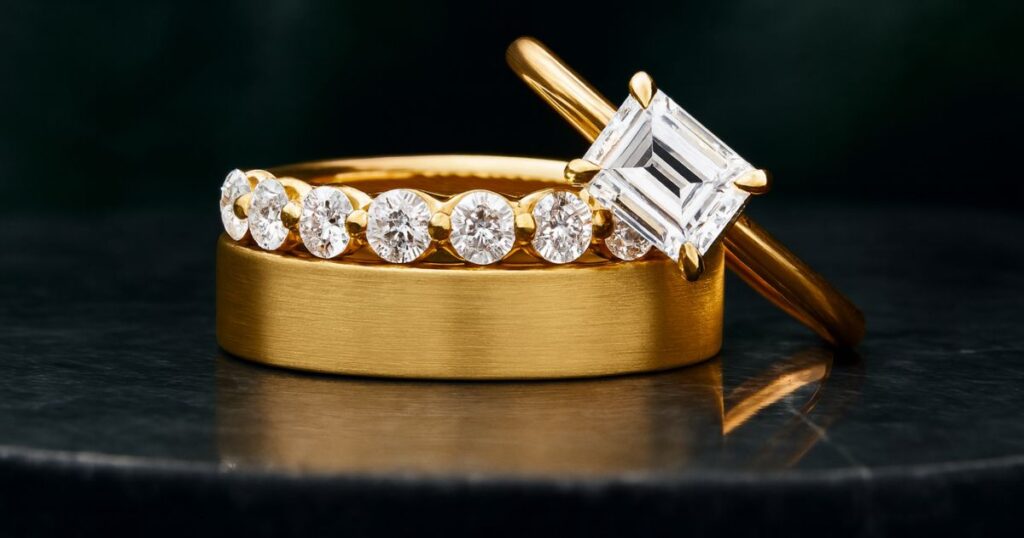
Gold mixed with a higher amount of base metals tends to change color more quickly. Fourteen karat sits in the middle, which means it offers a good mix of strength and beauty. Ten karat may show marks faster because it contains more base metals, while eighteen karat stays bright longer because it contains more pure gold.
When people study the gold alloy composition, they understand why these subtle changes appear over time. Each color of gold behaves differently. White gold tarnish often shows when the rhodium plating wear exposes the inner alloy. Yellow gold tarnish appears slowly because its mix contains fewer reactive metals.
Rose gold tarnish tends to show signs sooner because of the higher copper content. This explains why two pieces with the same karat may behave differently based on their color.
Does 14K Gold Tarnish?
Yes, fourteen karat gold can tarnish, but the change is gradual and usually mild. The small reaction happens because of the base metals inside the alloy. Even though it contains real gold, the other metals respond to wear, moisture, and chemicals.
This is why people sometimes notice gold turning black or shade changes over time. These marks are not harmful and can be cleaned easily. Most Americans experience slight tarnish when they sweat, apply lotion, or wash their hands often. Daily routines expose jewelry to air and water, which can cause a thin oxidation layer on the surface.
The good news is that fourteen karat does not tarnish as fast as pieces with lower purity. Once cleaned, the jewelry returns to its bright shine without permanent damage.
Why Does 14K Gold Tarnish?
Tarnish forms because the alloy metals react with the environment. Copper, nickel, and silver react when exposed to sweat, humidity, and common household products. This is a natural chemical reaction and not a sign of poor quality.
These reactions form a thin film that causes dullness. Once cleaned, the shine returns without harming your piece. Different regions in the United States have different climates, and this affects the process. Warm areas increase humidity and gold reactions. Coastal areas introduce salt and moisture that speed oxidation.
Busy cities with more gold and air pollution expose jewelry to more reactive molecules. These factors explain why some people see faster tarnish than others, even when wearing similar jewelry.
What Type of 14K Gold Is More Prone to Tarnish?
The color of your gold plays a major role in how it behaves. White gold often shows marks because the plating and coating wear off, exposing the base metal. This is why people notice fading or dull patches.
These marks are easy to fix with re-plating white gold, which gives the surface a fresh shine. Rose gold also shows changes due to its copper content, which is more reactive to air. Yellow gold usually stays bright longer because its alloy mix is more stable.
However, even yellow gold may show color change in gold when exposed to sweat or harsh environments. Areas with heat and pollution may show slight harsh environment effect. Still, yellow fourteen karat pieces tend to tarnish more slowly. Understanding these small differences helps you choose a piece that fits your lifestyle.
Does 14K Gold Turn Yellow Over Time?
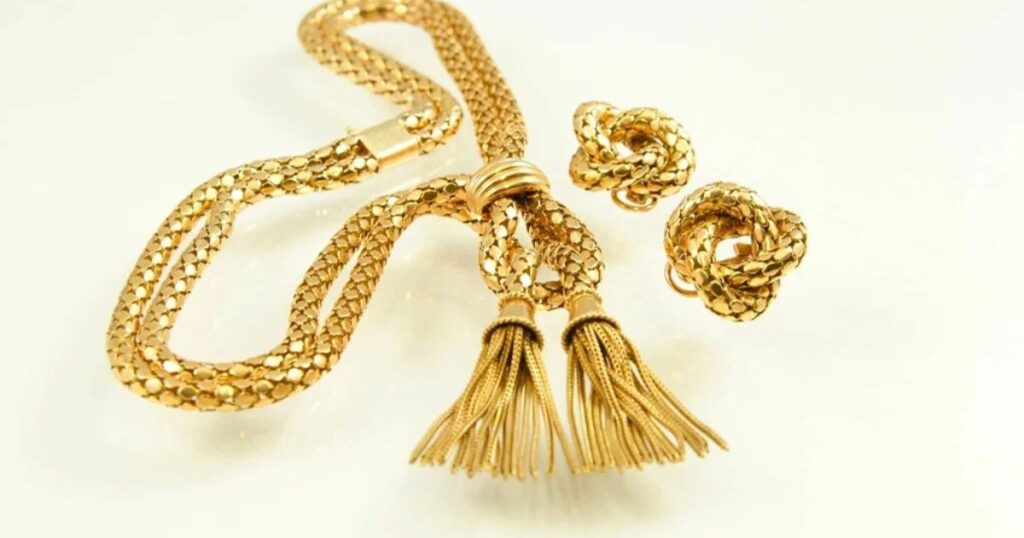
Yes, fourteen karat gold can show gold turning yellow or deeper warm tones through normal wear. This is not a harmful change. It simply reflects natural reactions between the metal and your environment.
Many people enjoy the deeper tone because it looks richer and warmer. When people ask does 14 karat gold fade, the answer depends on the type of gold and how often it is exposed to chemicals. You may notice color change faster on pieces that touch lotions, perfumes, or sweat often. These reactions expose the hidden tones of the alloy.
This natural shift is easy to reverse with polishing or cleaning. Care helps slow down the change while keeping your jewelry bright and smooth.
Is Tarnished 14K Gold Fake?
Tarnish does not mean your jewelry is fake. Real fourteen karat pieces can show marks or dull spots. Fake jewelry often reacts much faster or shows green stains on the skin. Real gold reacts slowly and gently because it contains a stronger mix of metals.
This is why tarnish is a normal sign of wear rather than a sign of imitation. The best way to confirm authenticity is by checking stamps or taking your piece to a store. Professionals can test the metal safely.
Many people confuse normal surface oxidation with fake metal. Once your piece is cleaned, the true shine returns and confirms its authenticity.
How to Prevent Gold Tarnish and Rust
Keeping your gold dry is the first step to slow the gold corrosion process. Moisture increases the chance of marks, so it helps to remove your jewelry before heavy activity. Avoid applying lotions, perfumes, or hand sanitizers while wearing your gold.
These substances cause quick reactions and leave residue on the surface. A simple cleaning habit can reduce these problems. Keeping your pieces away from harsh products helps protect them. Chemical exposure gold comes from soaps, sprays, and cleaning solutions. Chlorine damage gold occurs in pools.
Perfume damage gold leaves a thin residue that reacts with metal. Proper storage helps too. When you keep your pieces dry and separate, they remain safe from scratches and reactions.
How to Prevent 14K Gold from Tarnishing
Fourteen karat gold benefits from gentle but regular care. Cleaning the surface removes sweat and oils. These materials cause quick surface changes, so cleaning helps reduce the sweat reaction gold.
Wiping your jewelry after daily wear helps maintain its shine. This simple step prevents the oxidation layer from building over time. Storage plays a major role in long-term tarnish prevention. Good habits include keeping jewelry separate to avoid scratches. Keeping pieces away from humidity protects them from air reactions.
People often use fabric-lined boxes or dry pouches. Clean, dry storage is one of the most effective 14k gold care tips and ensures your pieces last longer.
How Often Should You Clean 14K Gold Jewelry?
Cleaning frequency depends on how often you wear the piece. Someone who wears gold every day may need to clean it more often to prevent buildup. Light cleaning removes sweat, dust, and lotion residue.
This type of gold jewelry upkeep keeps the surface bright and prevents deeper dullness. It also protects your piece from heavy wear marks. A gentle wash with mild soap helps restore shine. People often use a soft cloth to dry the jewelry. This simple routine helps prevent buildup and keeps the metal looking lively.
Many people also take their jewelry to professionals from time to time. Professional gold cleaning offers deep cleaning and a detailed inspection.
How to Clean Tarnished Gold (Home Remedies & Pro Methods)
Safe At-Home Cleaning Methods
A simple cleaning method uses warm water and a mild soap to remove surface marks. A soft bristle toothbrush helps clean small spots without scratching the metal. Many people use gentle motions to protect the finish.
This method helps remove small marks caused by household chemicals, hand sanitizer impact, and detergents and gold reactions. When you dry the jewelry fully, you protect it from new moisture marks. Professional cleaning works well for deeper tarnish. Stores use ultrasonic machines to remove dirt that hides in small corners.
This level of care restores shine and protects the surface. Many Americans choose to clean their jewelry in stores once or twice a year. This helps keep the metal fresh and prevents long-term wear.
How to Treat Severe Tarnish or Damage
Heavy marks happen when the surface reacts for a long time without cleaning. When you see dark patches or deep dullness, it helps to take your jewelry to a professional. Experts understand how to work with gold and protect it during cleaning. They know how to remove the oxidation layer without harming the metal underneath.
Many times, jewelry stores use polishing machines to restore a smooth surface. Some cases require special treatment. White gold often needs new coating because of the rhodium-plated jewelry finish. This restores the bright color and protects the inner metal.
Other pieces need more gentle work, especially when the surface is scratched. These steps help restore shine and avoid long-term damage. The goal is to bring the piece back to its best state.
14K Gold Care Tips for Long-Term Shine
Long-term shine comes from steady habits. Keeping your jewelry clean and dry is the best start. A good jewelry maintenance practice includes storing pieces properly, washing gently, and avoiding harsh chemicals. These habits help slow the natural tarnish process. The less the metal touches harsh environments, the longer it stays bright and warm.
Many people think gold will always shine without effort, but small steps make a big difference. When you store your jewelry in a soft pouch or lined box, you protect it from scratches. When you avoid contact with strong chemicals, you reduce the chance of changes. Good habits make fourteen karat pieces last for years and keep their beauty alive.
FAQs:
How long does 14K gold jewelry last?
14K gold jewelry can last a lifetime with proper care because of its strong durability.
Can 14K gold be worn in a shower?
You can wear it in the shower, but soap and chemicals may dull its shine over time.
Is 14K gold okay for everyday wear?
Yes, 14K gold is ideal for everyday wear because it’s harder and more durable than higher karats.
What does 14K gold tarnish look like?
Tarnish on 14K gold appears as mild dullness, slight dark spots, or a faint yellowish change.
Does 14k gold turn black?
Yes, it can turn slightly black due to metal alloys reacting with sweat, chemicals, or moisture.