
What Is Cotton On? A Quick Brand Overview
Many American shoppers often wonder is Cotton On fast fashion, especially as the brand releases new styles at rapid speed. Its affordable basics attract young buyers, yet the low prices raise deeper questions about how responsibly the company produces its clothing.
Concerns about Cotton On sustainability, Cotton On ethics, Cotton On supply chain, Cotton On labor issues, and overall fast fashion problems continue to grow as more people prioritize conscious shopping. Because of this, consumers want clear answers about what happens behind the scenes, how workers are treated, and whether Cotton On’s eco claims reflect real progress or simply marketing designed to keep shoppers comfortable.
What Makes Cotton On a Fast Fashion Brand?
Shoppers see Cotton On as a classic fast-moving retailer because it sells low-cost items made quickly, often using polyester / synthetic fabrics. The brand follows the typical fast-fashion cycle that encourages customers to buy, discard, and repeat. These behaviors create concerns around the brand’s Environmental Impact, especially since cheap fabrics break down faster and end up in landfills.
Several factors make this classification clear. Cotton On produces thousands of styles each season, sources from multiple factories, and uses fast turnaround production. Even though the company tries to highlight Sustainable Materials, it still relies heavily on low-cost manufacturing hubs. This mix creates pressure on workers and raises questions about quality, Cotton On supply chain practices, and the brand’s long-term sustainability goals.
Cotton On Controversies You Should Know
The company often appears in discussions surrounding Cotton On controversies, especially related to ethics and its handling of global supply networks. In past years, activists raised concerns about Forced Labor risks linked to some regions where the brand previously sourced cotton. While Cotton On later joined initiatives to prevent these issues, shoppers still want clarity about how the business manages its high-volume production.
Other controversies include poor transparency reports, misleading green claims, and weak sustainability ratings. These concerns pushed consumers to question whether the brand’s marketing aligns with its actions. The fast-fashion model also contributes to fast fashion problems, fueling environmental strain and short garment lifespans. Because of this, Cotton On often faces criticism from ethical fashion advocates who demand stronger governance and accountability.
Is Cotton On Ethical? A Deep Breakdown

To understand Cotton On ethics, you must look at how the company treats workers, how much information it shares publicly, and whether it follows global guidelines. Cotton On publishes partial guidelines on factory treatment, wages, and audits, yet much of its supply chain still lacks strong transparency. Many critics believe the brand needs deeper Factory Audits and a more open approach to its labor relationships.
Reports reveal that the company outsources its production to many factories across Asia, creating challenges in monitoring Cotton On labor issues. While Cotton On states that it values Fair Wages and responsible sourcing, limited insight into worker treatment creates doubts. Ethical shoppers prefer brands that practice full Supply Chain Transparency, but Cotton On still has room to grow in openly sharing its processes.
Cotton On’s Sustainability: How Green Is the Brand?
Many shoppers want to know whether Cotton On sustainability initiatives truly benefit the planet. The brand highlights its interest in recycled materials, water-saving cotton, and reduced packaging. Some items include claims of Recycled Cotton or Organic Cotton, but these represent only a fraction of overall production. A true shift requires stronger commitment to sustainable fabrics, not scattered improvements.
Cotton On also promotes environmental partnerships such as Great Barrier Reef Restoration efforts and One Tree Planted, which help the brand appear eco-aligned. However, charity projects do not replace the need for reduced consumption, low-impact materials, and better waste practices. Critics argue that the brand must focus more on minimizing pollution and less on flashy promotional campaigns that distract from operational flaws.
Cotton On Sustainability Ratings (2025)
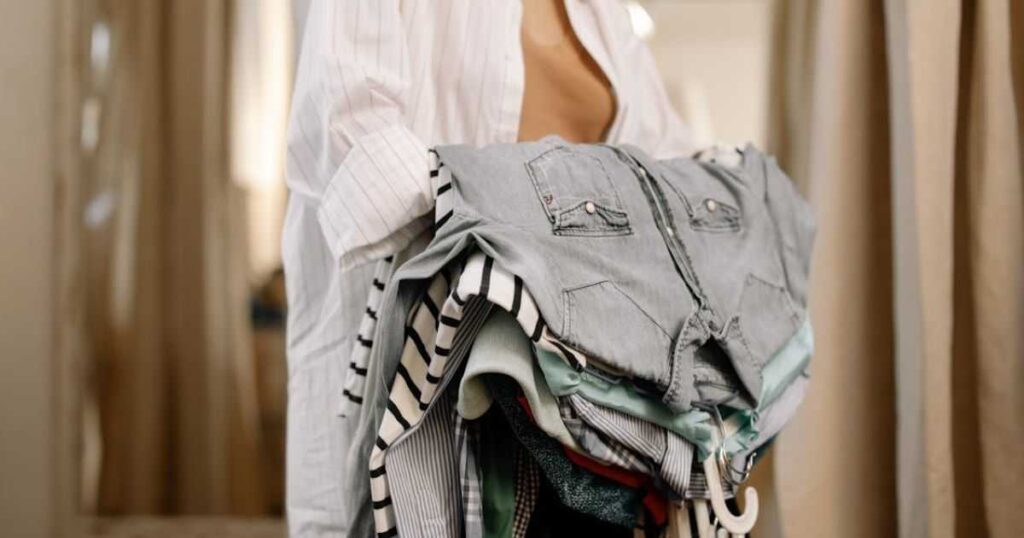
Sustainability evaluators often give Cotton On mixed ratings. While some improvements exist, the brand still struggles with its Cotton On environment rating, especially regarding carbon goals and material sourcing. Cotton On highlights investments in Carbon Neutral Goals, but much of its progress remains early-stage rather than fully implemented.
Below is a helpful overview of the brand’s 2025 ratings:
| Category | 2025 Rating | Notes |
| Material Choices | Moderate | Some Sustainable Materials, limited adoption |
| Labor Conditions | Low–Moderate | Inconsistent workers treatment disclosure |
| Environmental Impact | Low | Heavy use of synthetics increases pollution |
| Transparency | Moderate | Talks about progress but lacks detailed reports |
| Animal Welfare | Moderate | Some PETA Approved lines, but not fully cruelty-free |
These results show that Cotton On sits behind newer ethical fashion brands that follow strict ecological standards.
Cotton On Ethics Are Improving — But Are They Enough?
The brand has taken steps toward better environmental and social practices, but shoppers still wonder whether its actions are meaningful or minimal. Cotton On joined programs like Better Cotton Initiative (BCI) and partnered with WWF Partnerships, which indicates a willingness to adopt measured improvements rather than full sustainability shifts. However, most progress remains too slow to move Cotton On out of the fast-fashion category.
The company also invests in Philanthropy / NGO Work, including community support through the Cotton On Foundation. These projects help society but don’t overhaul the brand’s manufacturing system. Ethical consumers believe Cotton On must address core concerns like emissions, waste, and material overuse if it wants to match global benchmarks for modern, responsible production.
Our Verdict: Cotton On’s Ethical & Sustainability Grades
When examining everything from Cotton On manufacturing to long-term environmental goals, the brand falls into the middle of the market. Cotton On is making progress but still behaves like a traditional fast-fashion label. Its rapid-production business model continues to overshadow its eco claims, creating a contradiction between values and reality.
Overall, the brand earns moderate performance grades rather than top scores. Cotton On is better than ultra-fast-fashion competitors, yet it remains far behind truly sustainable brands that prioritize circular systems and responsible material sourcing. Ethical shoppers prefer full transparency and low environmental footprints, something Cotton On has not yet delivered consistently.
101 Sustainable Living Tips (Fashion Edition)
Living sustainably doesn’t mean giving up style. It means making mindful choices that reduce waste and pollution. You can avoid Greenwashing in fashion by paying attention to fibers, brand practices, and real sustainability claims. Start small and build progressive habits to protect the planet and support responsible fashion.
Here are helpful ways to transform your shopping habits:
- Choose eco-friendly clothing made from linen, hemp, or organic cotton
- Support ethical consumerism by buying from brands with transparent factory data
- Buy fewer items but choose better ones for long-term use
- Understand Circular Fashion by repairing, reusing, or donating garments
- Research fibers before purchasing clothing to avoid high-impact synthetics
Ethical & Sustainable Alternatives to Cotton On
If you want to move away from fast-fashion brands, several companies offer better transparency and lower environmental impact. These alternatives prioritize Ethical Sourcing, fair wages, low-waste production, and Sustainable Materials that do not harm the planet. Many of them invest in next-generation fabrics and recycling systems that reduce strain on ecosystems.
Some alternatives also support programs like Seamless (Australian Fashion Council Program) to reduce textile waste. Other brands collaborate with recycling innovators like UPPAREL to keep clothing out of landfills. These companies operate with stronger values than Cotton On, giving conscious shoppers reliable options that align with modern ethical expectations.
Cotton On vs. Truly Sustainable Brands: Final Comparison Table
Below is a detailed comparison that shows how Cotton On performs beside responsible fashion leaders:
| Feature | Cotton On | Sustainable Brands |
| Transparency | Limited | High with full supplier disclosure |
| Materials | Mixed synthetics, some sustainable fibers | Mostly natural or recycled |
| Labor Standards | Moderate | Strong commitments to worker safety |
| Waste Practices | Basic recycling | Full Circular Economy systems |
| Carbon Footprint | Improving but moderate | Low and clearly documented |
| Durability | Average Cotton On quality | High-quality long-lasting fabrics |
This comparison shows that Cotton On still functions within the High street fast fashion brands category.
Who Is Lexy Silverstein & Why Is She Relevant to Sustainable Fashion?
Lexy Silverstein is a well-known voice in the world of Sustainable Fashion. She advocates for transparency, environmental responsibility, and honest communication from brands. Her work helps younger audiences understand why affordable fashion ethics matter and how fast-fashion choices affect the planet.
She frequently calls out misleading marketing and encourages shoppers to question ethical claims. Her influence matters because she educates a new generation on responsible shopping, better cotton alternatives, and Sustainable materials sourcing. By raising awareness, she pushes brands like Cotton On to adopt real transformation instead of surface-level changes.
FAQs:
Is Cotton On a fast fashion?
Yes, Cotton On follows fast fashion practices with quick trend turnover and low-cost production.
Is Cotton On a good quality brand?
Cotton On offers affordable clothing, but quality is average and not as durable as premium brands.
Is cotton an ethical fabric?
Cotton can be ethical if organic or sustainably sourced, but conventional cotton often involves heavy water use and pesticides.
What brands are considered fast fashion?
Brands like H&M, Zara, Shein, Forever 21, and Cotton On are typically classified as fast fashion.