Traditional American clothing reflects a long story of creativity, culture, and identity. Each region of the United States shaped its own look, from handcrafted Native garments to rugged frontier outfits and later the rise of denim and classic workwear. These styles built the foundation of American fashion history, showing how people dressed for survival, pride, and self-expression.
Over time, these garments evolved into symbols of the All-American look, inspiring designers, youth culture, and today’s modern trends. Many pieces still honor early craftsmanship, blending heritage with new ideas. This mix keeps American clothing culture rich, meaningful, and deeply connected to everyday life in the country.
What Is USA Traditional Attire?
USA traditional attire refers to clothing shaped by centuries of cultural evolution. When people talk about traditional American clothing, they often imagine denim, cowboy hats, military uniforms, and classic workwear, yet it goes far deeper. This style includes Native American garments, colonial pieces, Western cowboy gear, regional outfits, and the early forms of American sportswear evolution.
Traditional attire reflects values like freedom, resilience, and creativity. Many iconic pieces—such as Denim jeans, flannel shirts, and Cowboy boots—became symbols of the All-American look. These garments show how fashion can capture the nation’s past while inspiring modern American style trends.
Origins and History of Traditional American Clothing
The roots of American fashion began with Indigenous tribes who used natural materials to create garments rich in cultural meaning. Their designs became the earliest examples of historical American dress. Later, settlers arrived with European clothing that focused on modesty and utility. Over time, this blending created new silhouettes, giving rise to Colonial dress associated with early American life.
As the country expanded, the Industrial Revolution fashion era changed everything. Factories introduced ready-to-wear garments, making clothes affordable for everyday workers. Soon after, American fashion gained global influence through durable workwear, bold Western pieces, and uniforms shaped by national pride.
Native American Tribal Clothing Styles
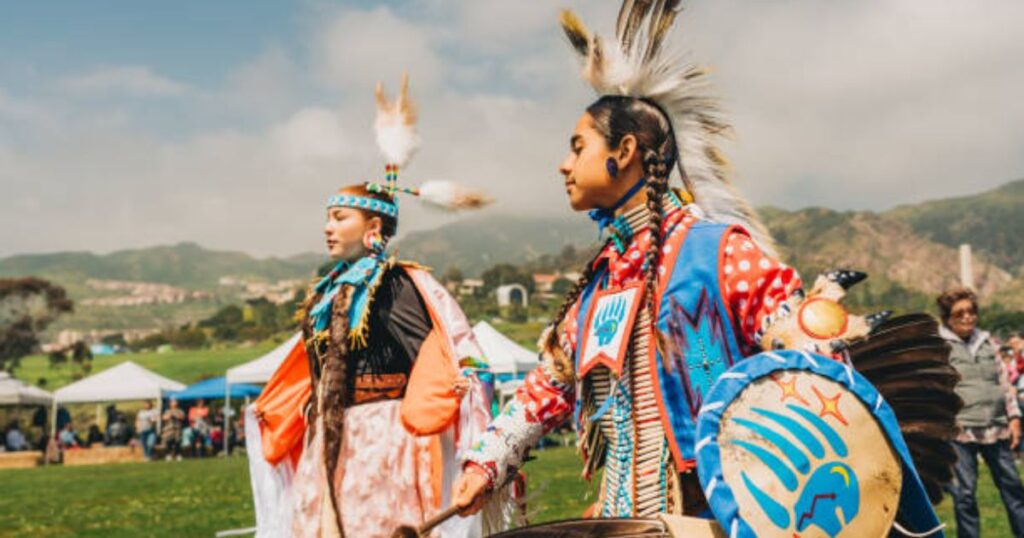
Native American clothing remains the heart of American cultural heritage clothing. Each tribe created distinct garments using leather, bone, beads, feathers, and natural dyes. These designs expressed identity, spirituality, and social status. Tribes in the Southwest wore woven blankets and bright patterns, while Plains tribes used hand-beaded tunics and feathered accessories.
Today, these traditions remain deeply respected. Modern designers draw inspiration from these Native American clothing techniques but avoid copying sacred symbols. Instead, many choose to honor the craftsmanship through ethical collaborations.
Colonial-Era Clothing in the USA
Colonial Americans wore European-inspired clothing but adapted it to the harsh climate and frontier lifestyle. Men often chose wool coats, breeches, and linen shirts while women preferred long dresses, aprons, and bonnets. This period reflects the early transformation of American fashion history, where style met survival.
These garments reveal how communities used simple fabrics, limited colors, and handmade accessories. The era’s silhouettes later influenced costume design, museum collections, and even parts of today’s retro American fashion aesthetic.
Regional Traditional Outfits Across the USA
Every region in the United States has a unique style shaped by climate, culture, and history. Northern states embraced heavy wool garments during long winters, while Southern communities preferred lightweight cotton for everyday comfort. Coastal areas developed nautical-inspired clothing that influenced early American sportswear evolution.
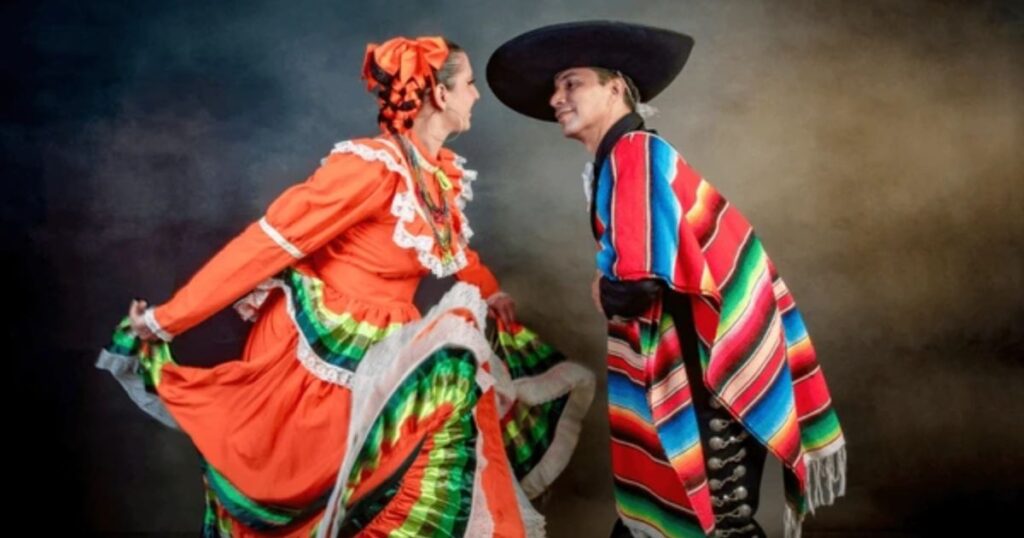
In the Midwest, rural outfits reflected practicality and long workdays in farming communities. Out West, people blended Mexican, Indigenous, and frontier influences, giving birth to Western wear USA, which remains popular in festivals and ranching culture.
Western Cowboy Style and Frontier Clothing
Western fashion remains one of the strongest symbols of USA fashion culture. Cowboys wore durable denim, leather belts, hats, and rugged boots built for long rides and harsh landscapes. This frontier wardrobe created an unforgettable image tied to adventure and independence.
Today, Cowboy hat and boots styles appear in concerts, rodeos, films, and runway fashion. The appeal comes from the frontier spirit that shaped ranching communities and continues to inspire global fashion brands looking for authenticity and grit.
Traditional American Clothing by Gender
Men traditionally wore garments that emphasized utility, like heavy boots, suspenders, denim pants, and wool coats. Women preferred dresses, long skirts, petticoats, and later iconic pieces such as shirtwaist blouses. These styles shaped the early differences in American clothing identity.
Over time, gender-based fashion evolved with social changes. Today, many classic silhouettes—denim jackets, flannel shirts, prairie dresses—still echo traditional designs. These garments appear often in vintage-inspired clothing and remain popular across generations.
Traditional Military, Formal & Ceremonial Wear in America
Military uniforms have heavily influenced Traditional American clothing. Structured jackets, cargo pants, bomber jackets, and combat boots all grew from military roots. These designs shaped the rugged side of the All-American look.
Formal wear also developed unique American touches. Tuxedos, ceremonial suits, graduation robes, and patriotic garments appear in major events. These pieces remind people of unity, national pride, and important life milestones.
Religion, Spirituality & Cultural Influence on Clothing
Religious communities shaped many parts of American clothing culture. Quakers preferred plain clothing, while Amish groups still wear traditional garments reflecting simplicity. In the South, Sunday church outfits influenced early preppy American style through polished dresses and clean-cut suits.
Spiritual symbolism also guided garment design. Indigenous attire often included elements connected to nature, the seasons, or ancestral beliefs. This blend of faith and fashion remains a powerful expression of identity.
Immigrant Traditions & Cultural Identity in American Clothing
American style grew because of immigration. Each wave brought new fabrics, patterns, and clothing customs, adding richness to the nation’s wardrobe. This process created strong cultural fusion in American fashion.
German, Irish, African, Scandinavian, Asian, and Latin American communities all contributed to new silhouettes and accessories. This multicultural influence shaped American fashion designers influence, pushing creativity further each decade.
Patterns, Fabrics & Accessories in American Heritage Clothing
Patterns like plaid, stripes, patchwork, and Navajo-inspired designs became favorites in American heritage style. Denim, canvas, cotton, leather, and wool shaped the durability associated with early workwear. These materials later fueled the rise of American workwear history.
Accessories also played a huge role. Bandanas, metal buckles, bolo ties, fringe bags, and Western belts remain beloved symbols of Americana revival in modern fashion.
Everyday Traditional Clothing in Rural America
Rural America holds onto practical clothing like denim overalls, flannel shirts, sturdy boots, and simple cotton dresses. These garments reflect daily life in farming, ranching, and small-town communities. The comfort and strength of rural outfits helped build today’s iconic American garments.
This style also contributed to the popularity of vintage denim and retro apparel, which remains a favorite for collectors and fashion lovers.
Festive & Ceremonial Attire in the USA
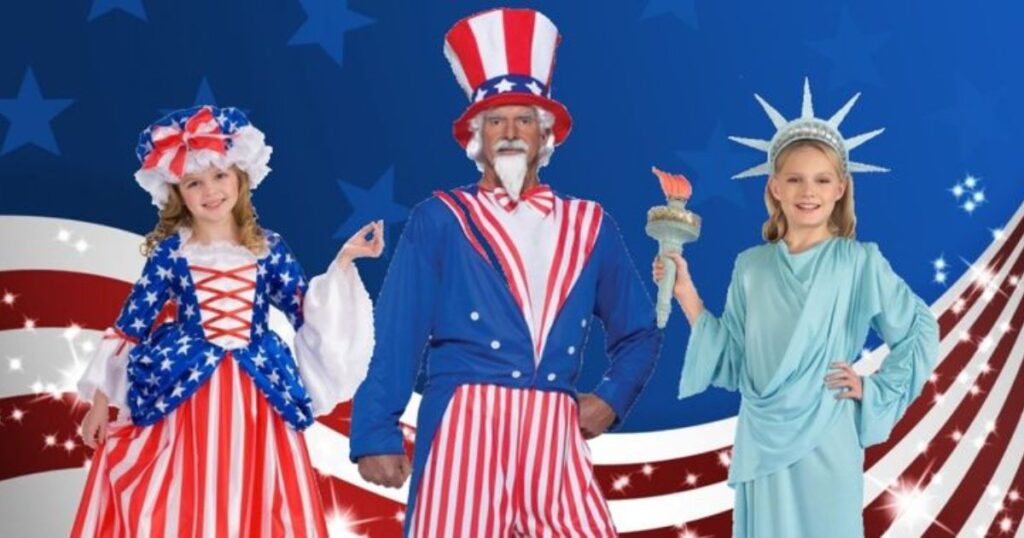
Festive outfits vary widely across holidays and cultural events. Americans often wear patriotic colors for national celebrations, traditional dresses for cultural festivals, and heritage garments for regional fairs. These traditions show how clothing communicates emotion and roots.
Today’s celebrations mix old and new, blending Traditional vs modern American fashion to create unique looks people cherish year after year.
Traditional American Clothing in Today’s Modern Fashion
Many designers revive heritage styles by adding a modern twist. Denim jackets, prairie dresses, letterman jackets, and Western belts appear often in modern American style trends. Younger generations also embrace American streetwear and Athleisure fashion, mixing comfort with cultural expression.
Thrift shops, vintage stores, and sustainable brands contribute to a powerful shift in the way people buy clothes. This evolution reflects both nostalgia and innovation.
How Traditional USA Attire Reflects Culture & National Identity
Traditional clothing highlights the country’s freedom, diversity, and creativity. Each garment tells a story of struggle, hope, adventure, or migration. These pieces symbolize unity while celebrating personal identity.
Today, heritage fashion blends with modern tastes, proving how deeply the past shapes American youth clothing culture, Secondhand clothing trend, and the growing fashion recycling movement.
Conclusion
Traditional American clothing continues to shape how people see the nation, its values, and its history. These garments carry stories of survival, innovation, and cultural pride, offering a living connection to the past. From Indigenous craftsmanship to rugged frontier wear and the rise of denim, every piece helped define American clothing culture in a powerful way. Today, these influences still guide designers, inspire youth trends, and strengthen the All-American look seen across the country. As styles evolve, the roots remain strong, proving that traditional American clothing is more than fabric. It’s identity, memory, and the spirit of a nation woven into everyday life.
FAQs
What is the traditional clothing in the USA?
Traditional clothing in the USA includes Native American garments, colonial dress, frontier wear, and classic workwear like denim and cowboy boots.
What is classic American clothing?
Classic American clothing refers to timeless pieces like denim jeans, flannel shirts, leather jackets, and cowboy-inspired outfits.
What is the 3-3-3 rule for clothes?
The 3-3-3 rule suggests owning three types of tops, three bottoms, and three versatile shoes for a simple wardrobe.
What is Native American clothing called?
Native American clothing is often called tribal regalia or traditional tribal garments.
What did natives actually wear?
Native Americans wore buckskin, woven fabrics, feathers, beads, and natural materials suited to their region and climate.