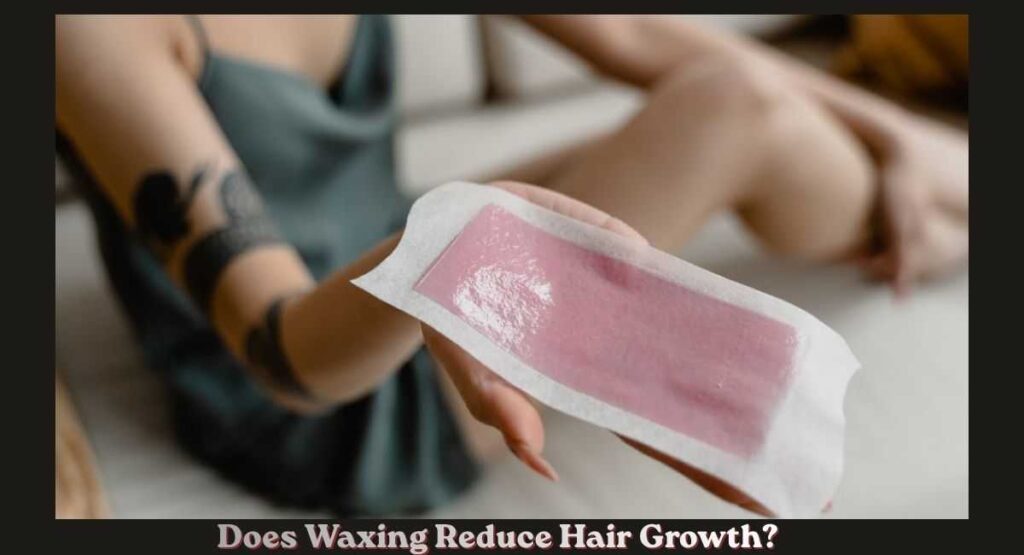
Waxing may seem like a quick beauty fix, but what happens beneath the skin is far more interesting. Many people wonder, does waxing reduce hair growth or does it only delay regrowth for a short time? The truth sits somewhere between biology and consistency.
Waxing pulls hair from the root, which can gradually lead to hair follicle weakening and changes in texture, thickness, and speed of regrowth. Over time, some people notice softer strands and slower return, while others see minimal difference.
This guide explains the science in simple terms and sets realistic expectations. We’ll also explore long term effects of waxing on hair growth, highlight waxing results long term, and break down hair regrowth after waxing clearly.
Does Waxing Really Reduce Hair Growth?
Waxing does not magically erase hair forever. Still, it changes how your hair returns. When you remove hair from the root, you create repeated stress on the follicle. That is where hair follicle weakening begins slowly over time. Many people notice softer regrowth after a few sessions.
However, results depend on your body. Hormones, genetics, and consistency matter a lot. In many cases, people observe that does waxing make hair grow slower becomes true after regular appointments, but the change is gradual, not instant.
How Waxing Affects Hair Growth
Waxing works through root hair removal, which pulls hair directly from the follicle. This process interrupts the natural hair growth cycle (anagen catagen telogen). Each cycle controls how fast and thick hair grows back.
Over time, repeated disruption can reduce regrowth speed. The follicle may produce weaker strands, leading to hair density reduction. This is why people feel smoother skin for longer periods compared to shaving, even though the follicle is not fully destroyed.
Does Waxing Really Reduce Hair Growth Over Time?

Over months, consistent waxing creates visible change. The hair does not disappear completely, but it behaves differently. Many users report that does waxing reduce hair thickness becomes noticeable after steady routines.
Many salon clients say their waxing results timeline starts showing improvement after 3 to 6 sessions. At first, the change feels small, but it becomes more noticeable over time. Hair often grows back softer, and regrowth may look patchy or less even, which is actually a good sign.
Can Waxing Eventually Stop Hair Growth Completely?
Waxing is not classified as permanent removal. So does waxing stop hair growth permanently is mostly a myth. However, rare cases exist where follicles weaken so much that hair becomes extremely sparse.
Still, biology plays a big role. Hormones and genetics decide final results. Even with perfect routine, most people experience reduction, not complete removal. Think of waxing as a long game, not a permanent switch.
How Many Waxing Sessions Are Needed to See Less Hair Growth?
Most experts agree that change appears after several cycles. Usually, how many waxing sessions to reduce hair growth falls between 3 and 6 consistent visits. This allows follicles to experience repeated disruption.
If you follow a strict schedule every 4 to 6 weeks, results improve faster. Skipping sessions resets progress. That is why consistency is more powerful than intensity in waxing routines.
Does Hair Become Thinner After Waxing?
Yes, in many cases it does. People often notice does waxing make hair grow back thinner after repeated sessions. This happens because new strands emerge weaker and softer.
The reason is simple. Each pull affects follicle strength and changes finer regrowth texture. Over time, hair feels less sharp and less visible. However, this is gradual and varies across body areas.
Waxing vs Shaving: Which One Reduces Hair Growth More?
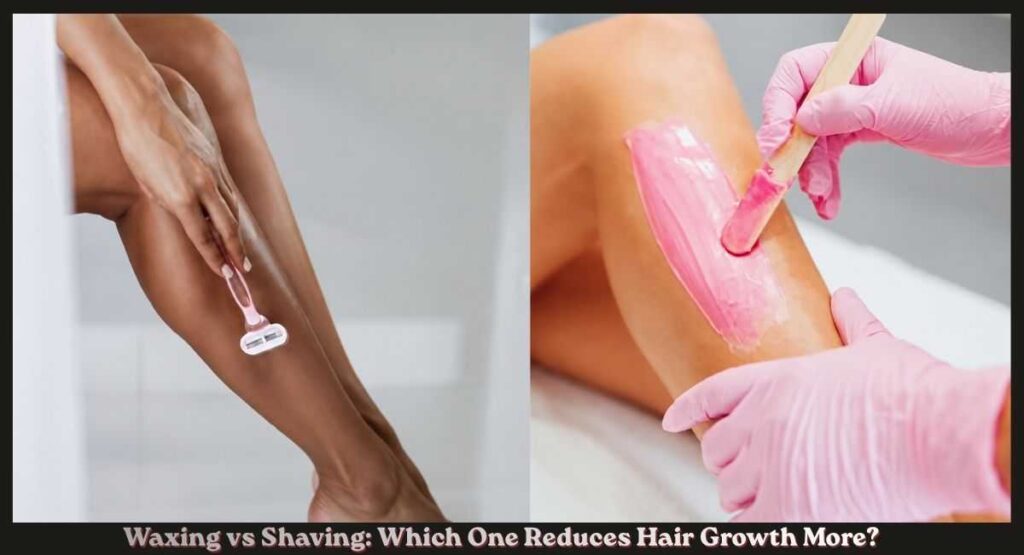
Waxing clearly has the advantage in long-term behavior. In waxing vs shaving hair regrowth, shaving only cuts surface hair. It does nothing to the follicle. That is why stubble returns quickly.
Waxing removes hair from the root. This changes regrowth speed and texture. Over time, shaving keeps hair cycle unchanged while waxing slowly alters it. That is the key difference in hair removal methods comparison.
How Long Does Waxing Last on Different Body Areas?
The duration depends on the body area being treated, since some areas naturally grow hair faster because of hormones and blood flow.
| Body Area | Average Smooth Skin Duration | Regrowth Speed |
| Legs | 3–6 weeks | Moderate |
| Underarms | 2–4 weeks | Fast |
| Bikini Area | 3–6 weeks | Moderate |
| Arms | 3–5 weeks | Slow |
Benefits of Waxing Beyond Hair Reduction
Waxing is not just about hair. It improves skin texture too. One major benefit is exfoliation after waxing, which removes dead skin cells naturally.
It also increases smoothness and reduces daily shaving effort. Many people choose waxing for waxing hair removal benefits like longer results and softer skin feel. Over time, it becomes a low-maintenance grooming habit.
Does Waxing Reduce Ingrown Hairs and Skin Irritation?
Waxing can help reduce ingrown hairs when done correctly. Since hair is removed cleanly, it grows back with a softer edge. This improves ingrown hair prevention over time.
Still, irritation can happen right after treatment. Mild skin irritation after waxing is normal for a short time. Proper care helps skin recover faster and stay smooth.
Waxing Checklist for Better Results
Good results depend on preparation and aftercare. Before waxing, clean skin helps reduce infection risk. After waxing, gentle care improves healing and enhances smoothness.
Timing matters too. Skin responds best when you maintain regular sessions. This improves esthetician waxing results and overall comfort during sessions.
Common Waxing Mistakes That Stop You From Seeing Results
One major mistake is shaving between sessions. This interrupts progress and resets slower hair growth cycle benefits. Many people also ignore timing consistency.
Another issue is poor aftercare. Without proper care, follicles stay irritated. That reduces visible improvement in waxing results long term and delays progress.
Professional Waxing vs At-Home Waxing
Professional services often give better outcomes. Trained experts understand pressure, direction, and timing. This improves professional waxing services results significantly.
At-home waxing may save money but lacks precision. Over time, professionals deliver more consistent esthetician waxing results and better comfort during sessions.
Final Verdict
Waxing does reduce hair growth behavior over time, but not instantly. It influences hair follicle weakening and changes regrowth patterns gradually. That is the key truth.
If you stay consistent, you may notice smoother skin, slower growth, and softer hair. So yes, does waxing reduce hair growth over time is true, but patience is essential. The process is slow, natural, and deeply tied to your body’s biology.
FAQs:
What are the disadvantages of waxing?
Waxing can cause pain, redness, temporary swelling, and sometimes ingrown hairs or mild burns if done incorrectly. People with sensitive skin may also experience irritation or breakouts.
What is the 48 hour rule for waxing?
After waxing, avoid hot showers, saunas, heavy sweating, sun exposure, and tight clothing for 48 hours. This helps prevent irritation, bumps, and infection while your pores settle.
What happens after years of waxing?
With long-term waxing, hair often grows back finer, softer, and sometimes less dense because follicles weaken over time. However, results vary based on hormones, genetics, and consistency.
Is it better to wax or shave pubic hair?
Waxing lasts longer and leaves smoother skin, while shaving is quicker but causes stubble, razor bumps, and faster regrowth. For longer-lasting results, waxing is usually the better choice if your skin tolerates it.