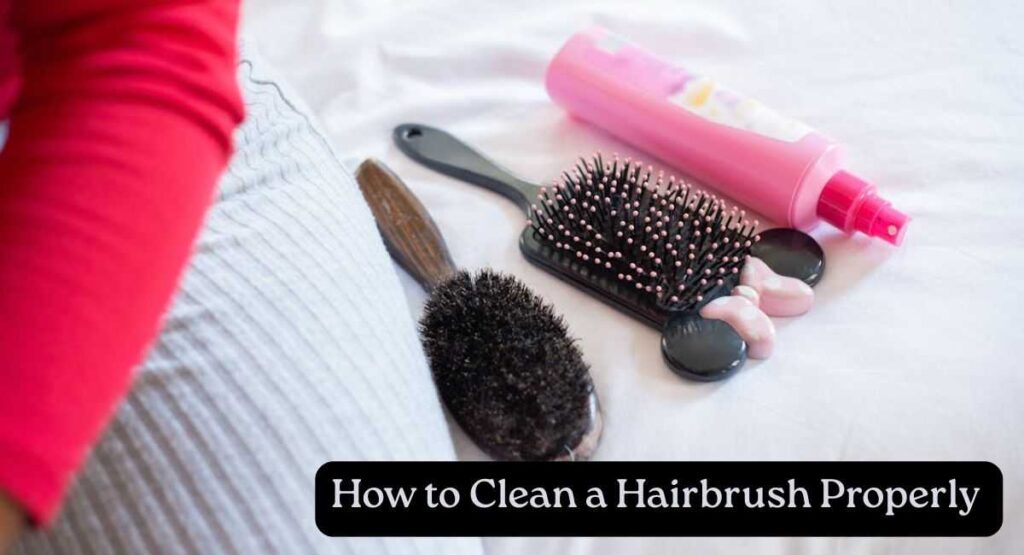
How to clean a hairbrush is often ignored in daily hairbrush maintenance, yet it plays a huge role in keeping your hair fresh and healthy. Still, most people forget to clean it. Over time, oil, dust, dead skin, and styling products hide deep between the bristles.That buildup can move back into freshly washed hair. This hidden residue slowly affects scalp health and reduces overall hair care hygiene, making your brush less effective every day.
| Hairbrush Problem | What Causes It |
| Sticky brush base | Hair products and excess oil |
| Gray fuzz buildup | Dust and lint mixed with oils |
| Bad smell | Moisture and bacteria |
| Weak styling results | Heavy hairbrush buildup |
Why Cleaning Your Hairbrush Is Important
A brush may look harmless, yet trapped debris slowly affects your hair quality. Every time you clean a hairbrush, you remove old oils, trapped dirt, and hidden bacteria. A neglected brush spreads product buildup across your scalp. That can leave hair flat, greasy, and dull. Good hair care hygiene begins with clean styling tools.
Think of your brush like a kitchen sponge. If you never wash it, grime piles up quickly. The same thing happens inside flat brushes, round brushes, and even luxury combs. A proper hairbrush care routine improves brush performance and reduces scalp irritation. Clean tools also help expensive shampoos and conditioners work better.
Signs Your Hairbrush Needs Cleaning
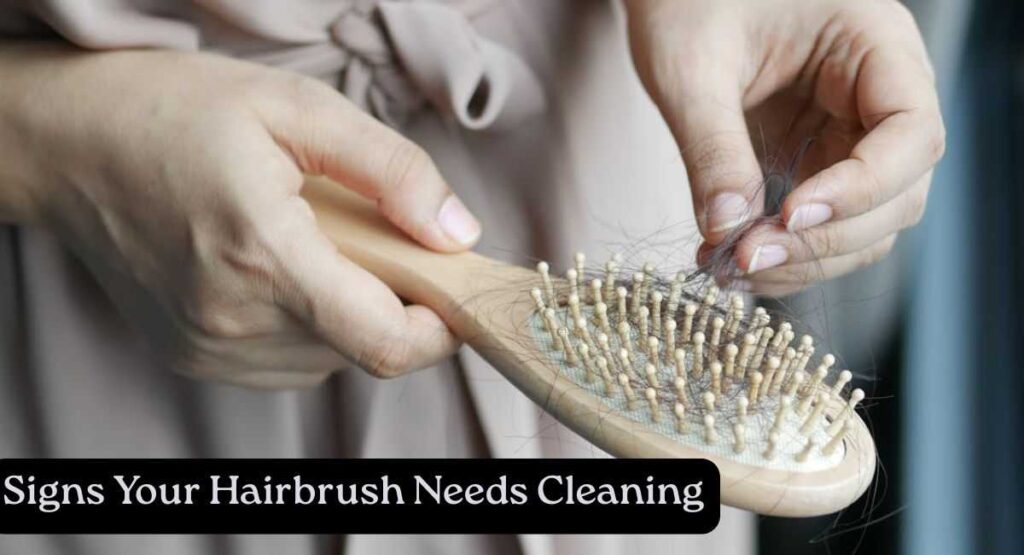
Your brush usually gives warning signs before it becomes too dirty. Thick clumps of hair strands, fuzzy gray lint, and oily residue often appear around the base. A dusty hairbrush may also carry a strange smell. If your brush leaves hair feeling greasy after washing, it probably needs attention immediately.
Sometimes the warning signs are subtle. You may notice weaker styling results or rough pulling while brushing. Dirty clean hairbrush bristles cannot glide smoothly through hair. Many people only notice the issue once dirty brush bacteria and trapped oils begin affecting their scalp. That is why regular hairbrush maintenance matters more than most people realize.
How Often Should You Clean Your Hairbrush?
Experts recommend weekly hairbrush cleaning for most people. If you use dry shampoo, hairspray, or styling cream daily, your brush collects residue much faster. In that case, you should wash a hairbrush every week and perform monthly hairbrush deep cleaning to remove stubborn grime.
Hair type also changes the schedule. Thick curly hair sheds differently than straight hair. Oily scalps create faster oily hairbrush buildup. People often ask how often to clean hairbrush tools properly. A good rule is simple. Remove trapped hair after every use and deep clean once each month.
| Hair Type | Recommended Cleaning |
| Oily hair | Every 5–7 days |
| Dry hair | Every 2 weeks |
| Product-heavy styling | Weekly |
| Salon use | Daily sanitation |
Tools You Need to Clean a Hairbrush
You do not need fancy products for proper cleaning hair tools. Most items already sit inside your bathroom cabinet. A rat tail comb or tail comb helps loosen trapped hair quickly. Small scissors cut thick knots cleanly. A bowl of warm soapy water removes grime without damaging most brush materials.
The cleanser matters too. Many people use clarifying shampoo, though baby shampoo and Castile soap also work well. A soft clean toothbrush helps scrub hidden debris between tight rows of bristles. These simple tools make it easier to sanitize hairbrush surfaces without damaging delicate parts.
Step 1 – Remove Hair from the Hairbrush
The first step is always to remove hair from hairbrush surfaces before washing. Start by sliding a tail comb beneath trapped hair. Lift slowly until the tangled mass loosens. Thick brushes often trap hair tightly around the base. Cutting large knots into sections makes removal much easier.
Different brushes need different methods. To clean flat hairbrush designs, slide the comb straight through the center. To clean round brush tools, rotate the comb around the barrel carefully. If hair becomes wrapped tightly, gently remove tangled hair from brush sections before washing the brush itself.
Step 2 – Wash Away Dirt, Oil, and Product Buildup
Once the loose hair disappears, it is time to remove hairbrush dirt and grime. Fill a sink with warm soapy water and add a few drops of shampoo. Many people prefer to soak hairbrush in warm water for several minutes because it softens stubborn residue and trapped oils quickly.
Different materials need special care. A plastic hairbrush can soak safely for a short time. However, wooden brushes should never stay underwater too long. If you want to clean wooden hairbrush tools safely, dip them briefly instead of soaking fully. Use a clean toothbrush to scrub away stubborn product residue in hairbrush surfaces.
| Brush Type | Cleaning Method |
| Plastic brush | Full soak |
| Wooden brush | Quick dip only |
| Brush with soft padding | Avoid soaking base |
| Natural bristle brushes | Gentle rinse and scrub |
Step 3 – Dry the Hairbrush Correctly
Drying matters more than many people think. Poor drying creates bacteria and odor. After washing, shake excess water from the brush and wipe the handle carefully. Proper air drying helps prevent mold in hairbrush materials and keeps the brush smelling fresh longer.
Climate changes the drying process. In humid states across the USA, trapped moisture may create a moldy smell overnight. Always place brushes face down on a towel. To air dry hairbrush tools faster, keep them near moving air or use a hair dryer on low heat for several seconds.
How to Clean Different Types of Hairbrushes
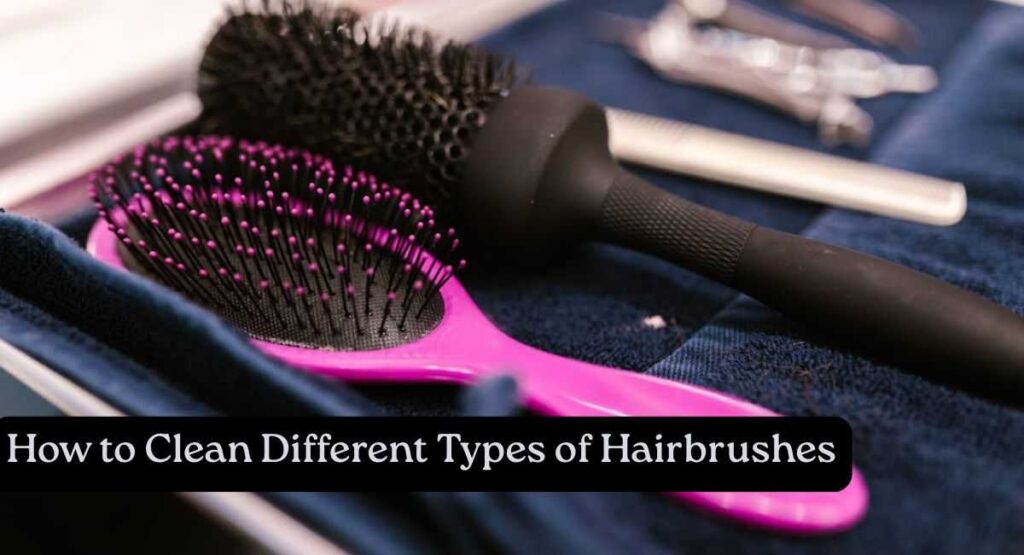
Every brush design behaves differently during cleaning. Thick round brushes collect tangled hair deep inside the barrel. Meanwhile, wide-spaced bristles inside detangling brushes trap fuzz and oil near the base. Understanding the material helps you avoid accidental damage while performing proper hairbrush cleaning.
Natural materials need extra care. To clean natural bristle brush tools correctly, use gentle soap and minimal soaking. Fabric padding and wooden handles absorb moisture quickly. Heated styling brushes also require caution because water can damage internal electronics. Always read manufacturer instructions before cleaning electric models.
How to Deep Clean Hairbrushes Naturally
Natural methods work surprisingly well for stubborn grime. Many people use vinegar and baking soda during a deep clean hairbrush session. Vinegar breaks down sticky oils while baking soda loosens trapped debris. These ingredients help with cleaning brushes naturally without harsh chemicals.
Tea tree oil also works well because it naturally fights bacteria. Add a few drops into warm water before washing. This method helps sanitize hairbrush surfaces and freshens the smell. Natural cleaning methods are especially useful for sensitive scalps and delicate hair grooming tools.
| Natural Cleaner | Main Benefit |
| Vinegar | Cuts grease |
| Baking soda | Removes buildup |
| Tea tree oil | Reduces bacteria |
| Mild shampoo | Gentle cleaning |
Common Hairbrush Cleaning Mistakes
One common mistake is forgetting to dry the brush completely. Moisture trapped inside soft padding creates bacteria quickly. Another issue happens when people scrub too aggressively. Rough cleaning damages clean brush bristles and weakens the brush structure over time.
People also forget to clean the handle itself. Oils from hands collect there daily. Always clean brush handle surfaces during every wash. Another major problem appears when people ignore buildup for months. Heavy residue becomes harder to remove and shortens the brush lifespan dramatically.
When Should You Replace Your Hairbrush?
Even the best brush eventually wears out. Bent or broken bristles reduce styling quality and may scratch the scalp. Cracked handles and damaged bases also collect bacteria more easily. If your brush still looks dirty after cleaning, replacement may be the smarter choice.
Professional stylists usually replace brushes every six to twelve months depending on usage. Frequent heat styling weakens materials faster. A worn brush affects styling results and may pull hair unnecessarily. Replacing old tools keeps your clean hair routine healthier and more comfortable.
Expert Tips to Keep Your Hairbrush Clean Longer
Small habits save a huge amount of cleaning time later. Remove loose strands after every use. Store brushes in dry drawers instead of damp bathrooms. Simple habits reduce hairbrush buildup and help maintain better beauty hygiene every single day.
Avoid brushing heavy styling products directly into your brush whenever possible. Excess sprays and creams harden around the base quickly. Keeping multiple brushes also helps reduce wear. These small changes improve hair tool cleaning routines and extend the lifespan of your favorite brushes.
Final Thoughts
Learning how to clean hairbrush tools properly is one of the simplest ways to improve your hair routine. A clean brush works better, smells fresher, and protects your scalp from trapped grime. Consistent hairbrush maintenance also keeps styling results smoother and healthier over time.
You do not need expensive products or complicated methods. A little soap, warm water, and a few minutes each week make a noticeable difference. Once you build a simple hygiene routine, keeping your brushes clean becomes second nature. Clean tools truly support cleaner, healthier hair.
FAQ:
Why is there grey fuzz in my hairbrush?
Grey fuzz is usually a mix of dust, lint, dead skin cells, and product residue that builds up over time. Regular hairbrush cleaning removes it and keeps your brush hygienic.
How often should you throw out a hair brush?
Most hairbrushes should be replaced every 6–12 months depending on wear and buildup. If bristles are bent, broken, or cannot be cleaned properly, it’s time to replace it.
Can I use Dawn dish soap to clean my hair brushes?
Yes, Dawn dish soap is safe for most plastic and metal hairbrushes and helps remove oil and buildup effectively. Just avoid soaking wooden brushes for too long.
How do I get all the fuzz out of my hairbrush?
Use a tail comb or scissors to lift and cut tangled fuzz first, then wash the brush with warm soapy water. Finish by rinsing and air drying completely.