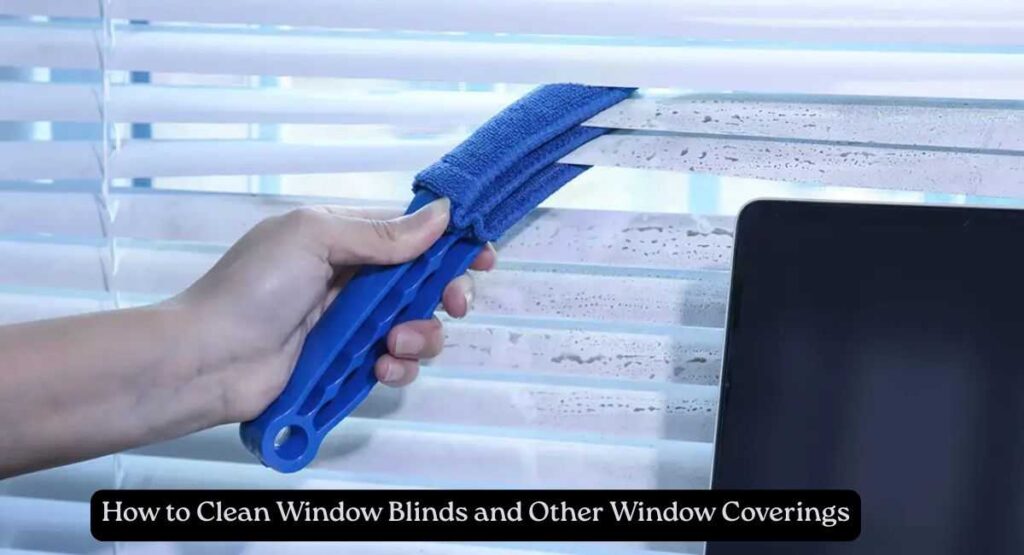
Keeping your home fresh starts with one simple habit: clean blinds. Over time, every window collects dust buildup, allergens, and hidden dirt that slowly affect air quality and overall comfort. When you learn the right way for window blinds cleaning, it becomes much easier to maintain a bright and healthy living space.
Many people ignore window care until they see heavy dust buildup. But once you follow the right routine for clean blinds, everything becomes easier. Regular care also improves blinds maintenance and helps protect different materials like wood, fabric, and metal. With the right approach, even stubborn dirt turns into easy dust removal from blinds.
Why Regular Blind Cleaning Matters for Your Home
Keeping your clean window coverings routine active is not just about looks. It directly affects air quality inside your home. When you let dust blinds sit for too long, they release dust particles every time you move them. This can affect breathing comfort and overall hygiene.
Regular blinds maintenance also protects materials from damage. Over time, grime buildup becomes harder to remove and may cause permanent stains. A simple dusting routine helps you avoid costly replacements and keeps your home feeling fresh.
Different Types of Window Blinds and How They Affect Cleaning
Different blinds need different care. For example, clean Venetian blinds is not the same as clean roller blinds. Venetian styles have horizontal slats that trap dust quickly, while roller shades collect stains more than dust.
Wooden and fabric styles need extra care because moisture can damage them. When you clean wooden blinds, you must avoid too much water. On the other hand, clean fabric blinds requires gentle handling to protect fabric material and color quality.
Essential Cleaning Tools and Supplies You Will Need
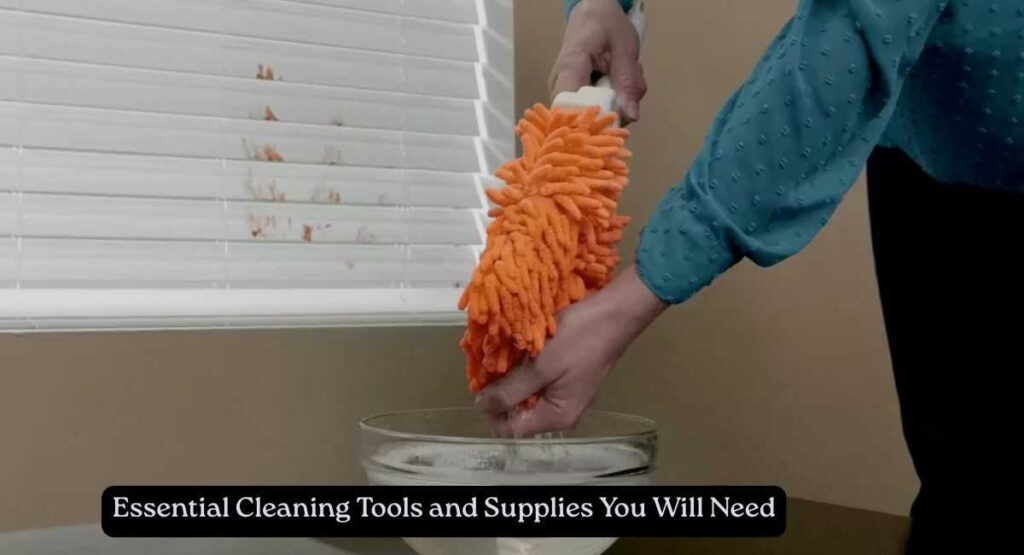
To properly clean blinds, you need the right tools. A microfiber cloth is the most basic item because it traps dust easily. A stick vacuum with a brush attachment also helps remove loose dirt quickly without spreading it.
For deeper cleaning, a handheld steam cleaner works well on strong stains. You may also need a mild cleaning solution, sponge, and soft towels. Each tool helps reduce dust particles and makes the process faster and safer.
| Tool | Purpose |
| Microfiber cloth | Removes light dust |
| Stick vacuum | Quick dust removal |
| Brush attachment | Reaches tight slats |
| Handheld steam cleaner | Deep stain removal |
General Tips for Cleaning Any Type of Blinds
Always start with dry cleaning first. This removes loose dust before any wet method. If you skip this step, you may create streaks or spread dirt further.
When doing cleaning blinds without taking them down, always move from top to bottom. This prevents re-dirtying areas. Also avoid harsh scrubbing because it can damage moisture resistant surfaces and reduce lifespan.
How to Clean Faux Wood, Plastic, and Metal Blinds
These materials are easier to maintain and ideal for beginners learning clean faux wood blinds or clean mini blinds. They can handle mild water cleaning without damage. Still, you must avoid soaking them too long.
A mix of warm water and light detergent works well for removing grime buildup. Wipe each slat gently and dry quickly to avoid water spots. This method is also perfect for vinyl blinds and aluminum blinds.
Even though these materials are strong, over-wetting can still cause issues. So always use gentle cleaning methods to protect the surface finish.
How to Clean Real Wood Blinds Without Damage

Wood blinds are sensitive and need extra care. When you clean wooden blinds, never use too much water because it can lead to water damage or warping. Dry cleaning is always the safest option.
A wood cleaner or dry cloth works best for removing dust. If needed, use a slightly damp cloth but wipe immediately. This helps protect natural shine and prevents long-term damage.
Wood blinds also benefit from regular dusting routine care. It keeps them looking new and avoids deep dirt buildup inside horizontal slats.
How to Deep Clean Fabric, Roller, Roman, and Vertical Blinds
Fabric-based blinds require soft handling. When you clean fabric blinds, always check if the fabric material allows water or steam. Some synthetic fabrics handle moisture well, while others do not.
For stubborn stains, spot cleaning is often the safest choice. A mild upholstery cleaner helps remove marks without damaging color. You can also use a handheld steam cleaner for deeper steam cleaning, especially on roller shades and vertical slats.
Always allow proper air circulation after cleaning. This prevents odor, mold, and keeps fabric fresh for longer use.
Step-by-Step Guide to Cleaning Mini Blinds Fast
Mini blinds collect dust quickly due to tight spacing. The easiest method for clean mini blinds is using a stick vacuum with a brush tool. This removes dust in seconds without removing blinds.
For deeper cleaning, wipe each slat carefully with a damp cloth. This helps remove hidden dirt and improves overall shine. This method is perfect for busy users who want fast results for clean blinds without spending too much time.
Quick comparison:
| Method | Time | Result |
| Vacuum cleaning | Fast | Light dust removal |
| Wipe cleaning | Medium | Medium dirt removal |
| Deep cleaning | Slow | Full restoration |
Common Blind Cleaning Mistakes to Avoid
Many people damage blinds by using the wrong method. Harsh chemicals can weaken surfaces and reduce lifespan. Overusing water can also cause water damage, especially on wood.
Another mistake is skipping dust removal before washing. This pushes dirt deeper into surfaces. Always start with dust removal from blinds before using any liquid solution.
Avoid scrubbing too hard. Instead, use gentle cleaning methods to protect structure and finish.
Maintenance Tips to Keep Window Blinds Clean Longer
A simple blinds maintenance routine can save time and effort. Weekly light dusting helps reduce heavy cleaning needs. This keeps dust blinds under control and improves home hygiene.
Good airflow also matters. Proper air circulation reduces dust buildup and keeps window coverings fresh. For kitchens or pet areas, cleaning may need to happen more often.
| Routine | Frequency |
| Light dusting | Weekly |
| Deep cleaning | Monthly |
| Full wash | Every 3–6 months |
Final Thoughts
Learning how to clean blinds is not difficult when you follow the right steps. Whether you clean roller blinds, clean vertical blinds, or handle delicate curtains, the key is consistency. A proper routine reduces effort and improves results.
With the right tools, you can easily manage window blinds cleaning, prevent damage, and keep your home fresh. Over time, this simple habit improves both comfort and indoor air quality.
FAQs:
What’s the easiest way to clean dirty blinds?
The easiest way is to use a microfiber cloth or a vacuum with a brush attachment to remove dust first. For heavier dirt, wipe gently with a mild cleaning solution and dry immediately to avoid streaks.
Is it better to dust or wash blinds?
Dusting is best for regular maintenance because it removes loose dirt without damage. Washing is only needed for deep cleaning when blinds are heavily dirty or stained.
Do dryer sheets clean blinds?
Yes, dryer sheets can help remove dust and reduce static so blinds stay cleaner longer. However, they are only good for light cleaning, not deep dirt or stains.
How do professionals clean blinds with vinegar?
Professionals mix diluted vinegar with water to break down grime and wipe each slat carefully. They always dry blinds quickly to prevent water spots or damage.