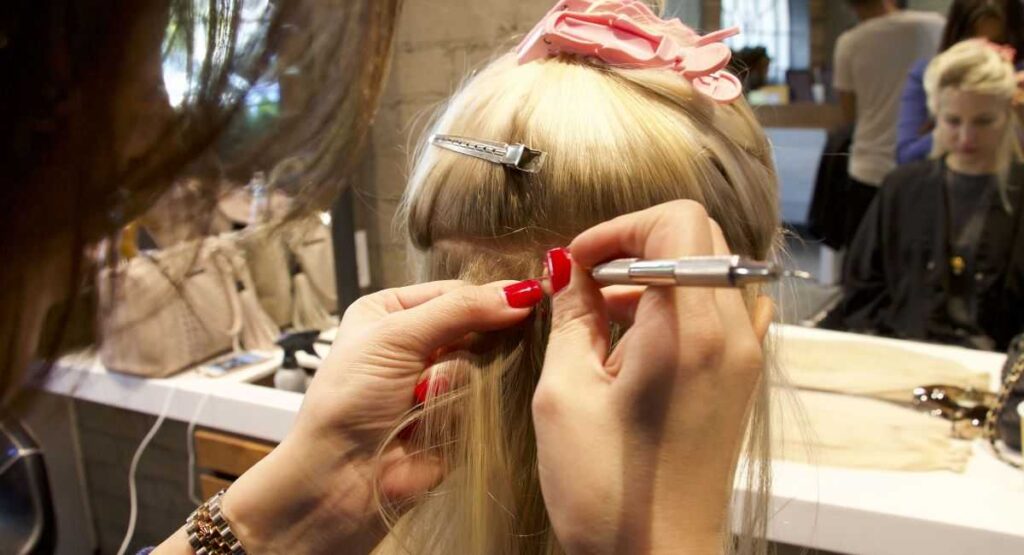
Hair extensions can completely transform your look, but one of the most common questions people ask is how long do hair extensions last in real life. The answer depends on several factors, including the type of extensions, hair quality, and how well you maintain them. Generally, hair extension lifespan can range from a few weeks to several months, while permanent hair extensions may last even longer with proper care.
Your daily routine, washing habits, and styling tools also play a major role in durability. Understanding extension maintenance tips is important if you want to avoid damage and keep them looking natural. With the right care routine, you can enjoy soft, shiny, and long-lasting results that blend perfectly with your natural hair.
| Hair Extension Type | Average Lifespan | Maintenance Level |
| tape-in extensions | 6–12 months | Medium |
| clip-in extensions | 6–12 months | Low |
| fusion hair extensions | 4–6 months | High |
| sew-in hair extensions | 6–10 weeks per install | Medium |
| micro-link extensions | 3–5 months | Medium |
| keratin bond extensions | 4–6 months | High |
How Long Do Hair Extensions Last?
Most human hair extensions last between three months and one year. Premium quality hair survives much longer because the strands remain smoother and stronger after washing and styling. Cheap synthetic options often tangle quickly. They may lose shape after only a few weeks of use.
The lifespan also depends on the extension application method and daily habits. Frequent heat styling, rough brushing, and poor washing routines reduce durability fast. On the other hand, a healthy hair extension care routine keeps strands soft and manageable. Many salon experts recommend regular salon maintenance every six to eight weeks for the best results.
Different Types of Hair Extensions and Their Lifespan
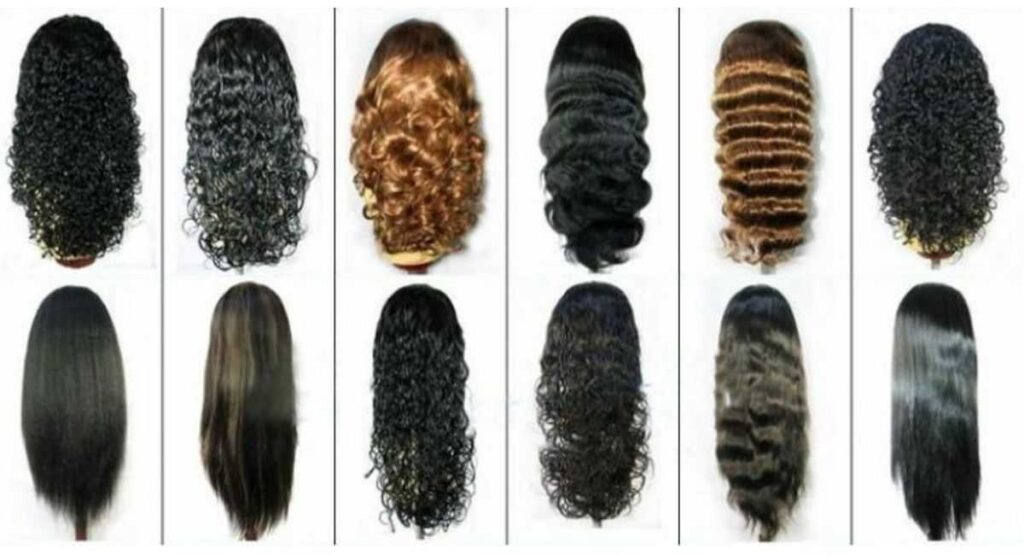
Different extensions behave differently over time. Semi-permanent hair extensions like tape-ins or micro-links remain attached for weeks. Meanwhile, temporary styles such as clip-in extensions can last longer overall because you remove them daily. This lowers stress on the hair fibers and scalp.
Professional stylists often recommend salon hair extensions based on hair texture and lifestyle. People with thin or fine hair usually prefer lighter methods. Clients with coarse hair may choose stronger installs like weaves or bonded options. Modern advanced extension techniques also improve comfort and durability significantly.
Hair Extension Lifespan Comparison
| Type | Best For | Durability |
| clip-in extensions | Occasional styling | Very Long |
| bonded hair extensions | Full glam look | Long |
| tape-in extensions | Natural blending | Long |
| micro-link extensions | Flexible styling | Medium |
| sew-in hair extensions | Thick hair | Medium |
| Halo Extensions | Beginners | Medium |
Which Hair Extensions Last the Longest?
Many stylists consider fusion hair extensions and keratin bond extensions the best hair extensions for longevity. These methods use durable attachment systems that stay secure for months. Proper aftercare matters though. Even premium installs can fail early without careful washing and brushing habits.
If you want a reliable long-term hair solution, choose high-grade Remy hair with expert installation. A skilled stylist understands strand-by-strand application and safe blending methods. This creates more secure and natural-looking extensions that move naturally with your real hair.
“Good hair extensions should feel invisible, not heavy or painful.”
Human Hair vs Synthetic Hair Extensions
Human hair extensions look more realistic because they mimic natural movement and shine. You can curl, straighten, and wash them normally. They also survive much longer with the right care. Synthetic hair costs less initially but often becomes stiff after repeated styling sessions.
Many people invest in reusable hair extensions because they save money long term. Premium human hair can often be reused after extension reinstallation. Synthetic versions rarely handle repeated salon appointments successfully. If you want softness and flexibility, human hair remains the superior choice.
| Feature | Human Hair | Synthetic Hair |
| Heat Friendly | Yes | Limited |
| Lifespan | Long | Short |
| Appearance | Natural | Artificial |
| Reusable | Yes | Rarely |
| Styling Freedom | High | Low |
What Factors Affect How Long Hair Extensions Last?
Several factors directly influence your hair extension lifespan. Hair quality matters first. Cheap strands tangle easily because the cuticles face different directions. High-end Remy hair stays smoother for longer periods. Proper professional hair extension installation also prevents slipping and breakage.
Products matter more than many people realize. Strong shampoos strip moisture away quickly. Experts usually recommend a gentle sulfate-free shampoo to protect both the extensions and natural hair. Daily exposure to chlorine, ocean water, and excessive heat can also weaken attachment points over time.
How to Make Hair Extensions Last Longer
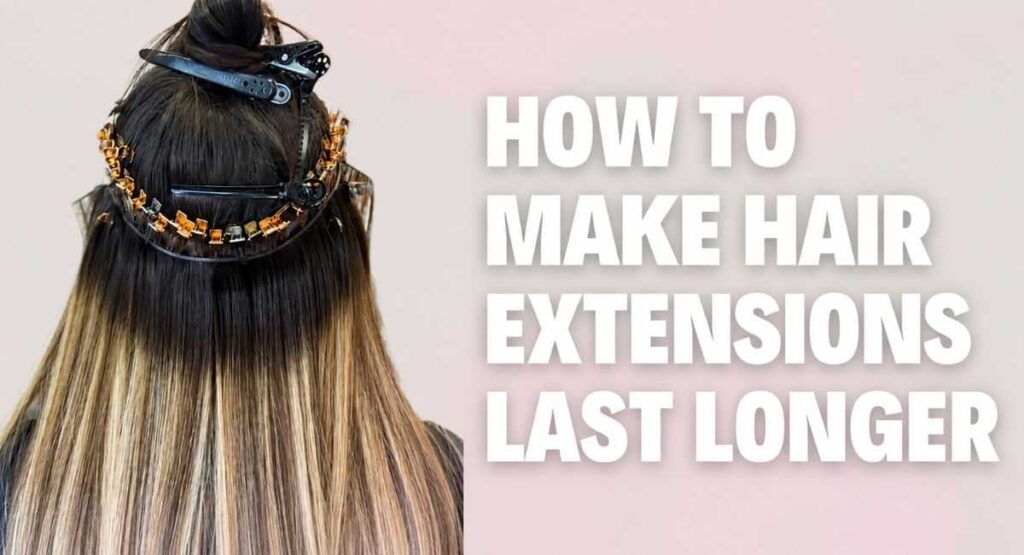
Healthy habits dramatically improve extension durability. Brush gently twice daily using a soft extension brush. Always start from the ends before moving upward. Sleeping with wet hair creates tangles near attachment areas. A silk pillowcase also reduces friction during sleep.
Many professionals recommend avoiding oily products near the roots. Oils weaken adhesives and loosen medical-grade adhesive systems used in tape-ins. Consistent extension upkeep and scheduled salon visits help preserve softness and prevent matting. Proper care often doubles the lifespan of premium extensions.
Daily Care Tips
| Habit | Benefit |
| Use silk pillowcases | Reduces friction |
| Avoid excessive heat | Prevents dryness |
| Use extension-safe brushes | Lowers shedding |
| Dry roots completely | Prevents slipping |
| Book regular salon visits | Extends lifespan |
Signs Your Hair Extensions Need Replacing
Old extensions often show obvious warning signs. Tangling increases near the roots. The hair may feel rough, dry, or thin even after conditioning. Loose attachments also signal weakening bonds. Ignoring these issues can damage surrounding hair.
Stylists also watch for shedding and split ends around attachment points. Over time, repeated styling weakens the strands permanently. At that stage, professional removal becomes necessary. Fresh installs usually look fuller and blend more naturally than worn-out extensions.
Hair Extension Maintenance Schedule
Regular maintenance keeps extensions secure and comfortable. Most semi-permanent hair extensions require repositioning every six to eight weeks. As your hair grows, attachment points move lower. Delaying appointments can create stress on the scalp and roots.
A trusted hair extension salon helps maintain healthy installs safely. Stylists check for slipping bonds, dryness, and tangling during each visit. Timely salon maintenance also allows proper cleaning and adjustment before small issues become serious problems.
| Extension Type | Maintenance Appointment |
| Tape-Ins | Every 6–8 weeks |
| Micro-Links | Every 6–8 weeks |
| Sew-Ins | Every 6 weeks |
| Fusion Bonds | Every 3–4 months |
| Clip-Ins | No salon maintenance |
Common Hair Extension Mistakes That Reduce Lifespan
Many people accidentally ruin expensive extensions through poor habits. Rough towel drying causes friction and breakage. Sleeping without tying the hair loosely also creates knots overnight. Using drugstore products with alcohol dries the hair rapidly.
Skipping professional appointments creates even bigger problems. Loose attachments pull on nearby strands and weaken the scalp. Excessive curling or straightening also damages keratin bonds and attachment areas. Gentle handling keeps extensions soft and healthy for much longer periods.
Are Hair Extensions Worth It?
For many people, extensions feel life-changing. They instantly add volume and length while improving hairstyle flexibility. High-quality installs can look completely natural when matched correctly. Modern damage-free extensions also feel lighter and more comfortable than older systems.
The final decision depends on your budget and maintenance commitment. People willing to follow a proper hair extension maintenance routine usually enjoy excellent results. If you want fuller hair without waiting years for growth, extensions remain one of the fastest beauty upgrades available.
Final Thoughts
Understanding how long hair extensions last helps you choose the right option confidently. Premium quality hair, expert installation, and careful maintenance all work together. The better you treat your extensions, the longer they stay soft, shiny, and beautiful.
Whether you choose permanent hair extensions, temporary clips, or luxurious bonded installs, consistency matters most. Healthy habits protect your investment. With proper care, today’s extensions can deliver stunning results for many months without sacrificing comfort or appearance.
FAQs
How much do hair extensions usually cost?
Hair extensions usually cost between $100 and $2,000 depending on the type, hair quality, and salon installation fees. Clip-ins are cheaper, while permanent methods like tape-ins or keratin bonds cost more.
Do extensions damage your hair?
Hair extensions can damage your hair if they are installed too tightly or not maintained properly. Professional application and proper care greatly reduce the risk of breakage or thinning.
Can I wash my hair with hair extensions?
Yes, you can wash your hair with extensions, but sulfate-free shampoo and gentle brushing are recommended. Avoid scrubbing the attachment points too hard to prevent loosening.
Are permanent hair extensions worth it?
Permanent hair extensions are worth it for people who want long-term volume and length with a natural appearance. They require regular maintenance appointments and proper daily care for the best results.