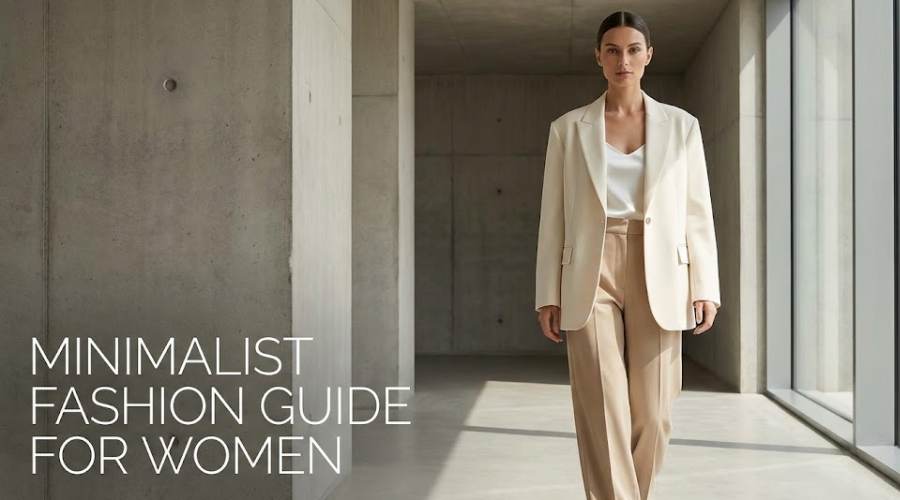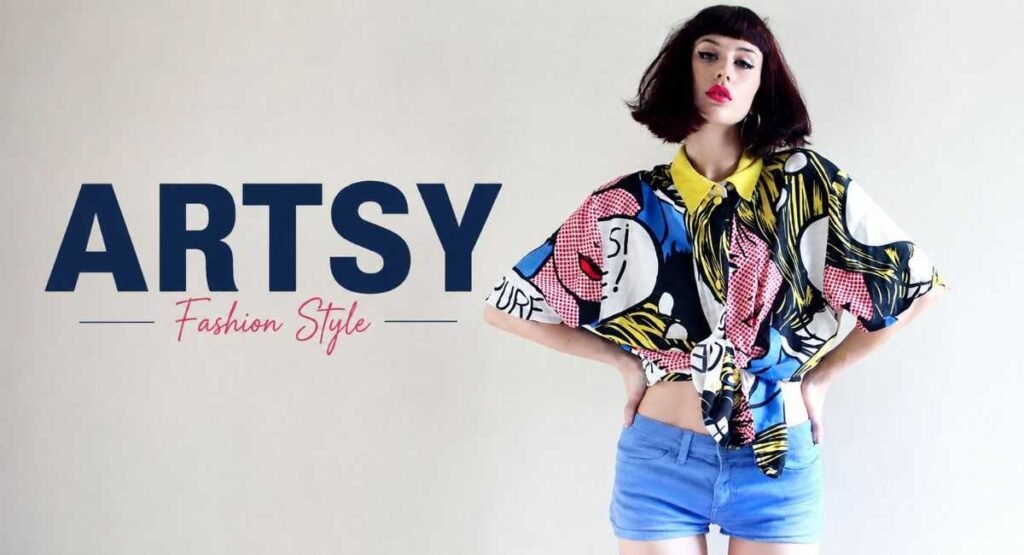
Artsy style turns everyday dressing into a form of creative expression. Instead of following a strict formula, it encourages you to mix colors, textures, unusual silhouettes, and distinctive accessories in thoughtful ways. A simple outfit can become memorable with one sculptural bag, an abstract print, or an unexpected color pairing. The appeal lies in individuality rather than perfection. You don’t need an entirely unusual wardrobe, either. A few artistic fashion pieces can transform familiar basics into expressive outfits.
Whether you prefer subtle creativity or bold experimentation, learning how to balance statement pieces, interesting textures, and creative fashion details makes this aesthetic easier to wear every day.
What Is Artsy Style?
Artsy style is a fashion approach that emphasizes creativity, individuality, and visual expression. Rather than relying on conventional combinations, it welcomes unusual colors, artistic prints, layered textures, distinctive silhouettes, and unexpected accessories. The result should look intentional rather than random.
At its heart, artsy fashion reflects the wearer’s personality. Someone might express that through hand-painted patterns, while another person prefers sculptural jewelry or vintage garments. There isn’t one required color palette or silhouette. What matters most is the willingness to experiment while creating an outfit that still feels cohesive.
Key Characteristics of Artsy Style
The easiest way to recognize artsy style is through its deliberate unpredictability. You might see a flowing skirt paired with a structured jacket, geometric earrings beside an abstract print, or muted clothing punctuated by one vivid accessory. These contrasts create visual interest without requiring every item to be dramatic.
Common characteristics include bold color combinations, unusual proportions, mixed textures, artistic motifs, handcrafted details, vintage influences, and expressive accessories. Layering also plays an important role. Instead of matching every piece perfectly, you can let contrasting elements interact while maintaining a sense of balance.
Essential Pieces for an Artsy Wardrobe
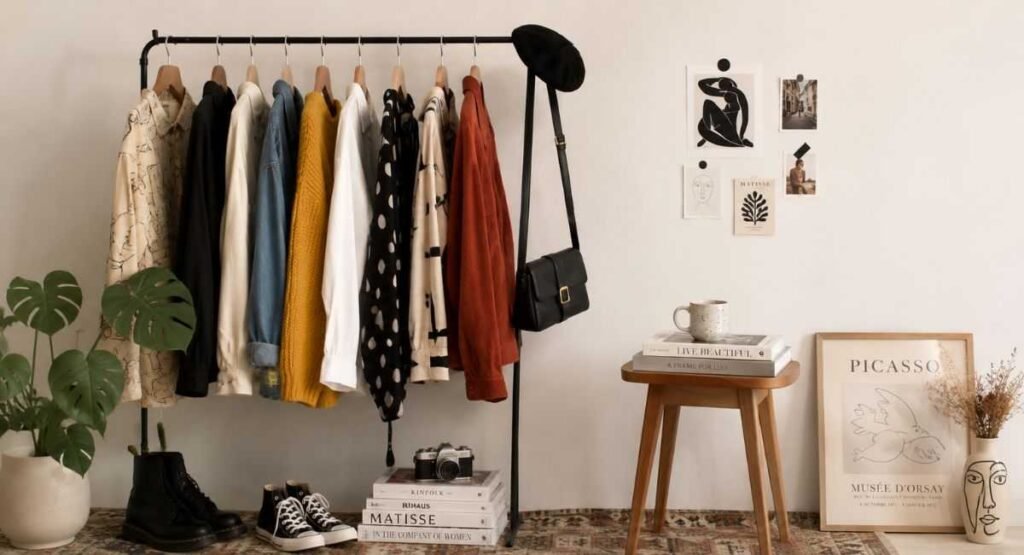
Building an artsy wardrobe doesn’t mean replacing everything you own. Start with versatile basics, then introduce pieces that have an unusual color, texture, shape, or pattern. A neutral trouser can support a dramatic blouse, while a simple dress becomes more distinctive with sculptural jewelry and an unconventional handbag.
Useful staples include statement tops, artistic dresses, wide-leg trousers, oversized jackets, textured knitwear, unusual skirts, vintage-inspired garments, and handcrafted pieces. Look for clothing with details that catch your eye. Sometimes an asymmetrical hem or unusual button placement can provide more personality than an entire loud print.
Artsy Style Colors and Patterns
Color gives artsy outfits much of their visual character. You can combine jewel tones, earthy shades, pastels, monochrome bases, or bright accents depending on your preference. The trick isn’t using as many colors as possible. Instead, choose relationships between colors that feel deliberate.
Patterns can be equally expressive. Abstract artwork, geometric shapes, painterly florals, stripes, checks, and unusual motifs all work well. If your top has a busy pattern, keep the bottom relatively calm. This simple contrast gives artistic clothing room to stand out without making the entire outfit visually noisy.
| Color approach | Style effect |
| Jewel tones | Rich and dramatic |
| Earth tones | Artistic and grounded |
| Pastels | Soft and playful |
| Black with a bold accent | Modern and striking |
| Mixed colors | Eclectic and expressive |
How to Create an Artsy Outfit
Creating an artsy outfit becomes easier when you follow a simple sequence: base, statement piece, texture, accessory, balance. Start with familiar basics such as straight-leg trousers and a plain top. Then add one distinctive element, such as a sculptural jacket, abstract print, or unusual pair of shoes.
Next, introduce texture through knitwear, suede, embroidery, leather, or woven materials. Finish with one memorable accessory. Before leaving the house, check the whole outfit in a mirror. If several pieces demand attention at once, remove one. Good styling often needs a little breathing room.
Artsy Style Outfit Ideas
Artsy outfits can suit everyday errands, offices, dinners, and special occasions. The key is adjusting the level of creativity to the setting rather than abandoning the aesthetic altogether. A casual look might feature relaxed denim and a colorful knit, while an evening outfit could rely on an unusual silhouette and dramatic jewelry.
Artsy Casual Outfit
For an easy everyday look, combine straight-leg jeans with a simple top and one expressive layer. A patterned cardigan, sculptural jacket, or handwoven vest can become the focal point. Add distinctive earrings or a colorful bag to finish the outfit.
This approach works because the foundation remains familiar. You aren’t trying to make every item unusual. Instead, one or two creative details give ordinary clothing a stronger personality while keeping the result comfortable.
Artsy Outfit for Women
Women can explore this aesthetic through flowing dresses, pleated skirts, artistic blouses, wide-leg trousers, and layered jackets. Pair a patterned dress with understated shoes or style a simple skirt with an unusually shaped top. Artsy outfits work especially well when contrasting silhouettes create movement.
Accessories offer another easy route. Try sculptural earrings, a distinctive handbag, patterned tights, or vintage-inspired shoes. If the clothing already contains several visual elements, choose quieter accessories to keep the outfit balanced.
Artsy Outfit for Men
Men can embrace artsy dressing through relaxed trousers, textured shirts, oversized jackets, unusual knitwear, and expressive footwear. Start with neutral trousers and add a printed shirt or textured overshirt. A distinctive watch, bag, scarf, or pair of glasses can provide another layer of personality.
You don’t need bright colors to create an artistic look. Deep green, rust, cream, charcoal, navy, and burgundy can feel expressive when combined thoughtfully. The goal is individuality, not flamboyance.
Artsy Work Outfit
For work, keep the foundation polished and let one creative element do the talking. Try tailored trousers with a clean blouse and an artistic blazer. Alternatively, wear a simple dress with sculptural jewelry and a structured handbag.
Consider your workplace before choosing dramatic prints or oversized silhouettes. In a conservative setting, subtle texture or unusual accessories may work better than a highly expressive ensemble. Creative fashion can still look professional when the proportions remain controlled.
Artsy Outfit for a Night Out
Evening dressing gives you more freedom to experiment. Consider an asymmetrical dress, dramatic trousers, an artistic jacket, or a richly textured top. Then add one striking accessory rather than piling on multiple competing details.
For a sophisticated result, build around one dominant feature. A sculptural bag can anchor a minimalist outfit, while dramatic earrings can transform a simple black dress. The contrast creates intrigue without turning the ensemble into visual clutter.
How to Style Artsy Fashion Without Looking Overdone
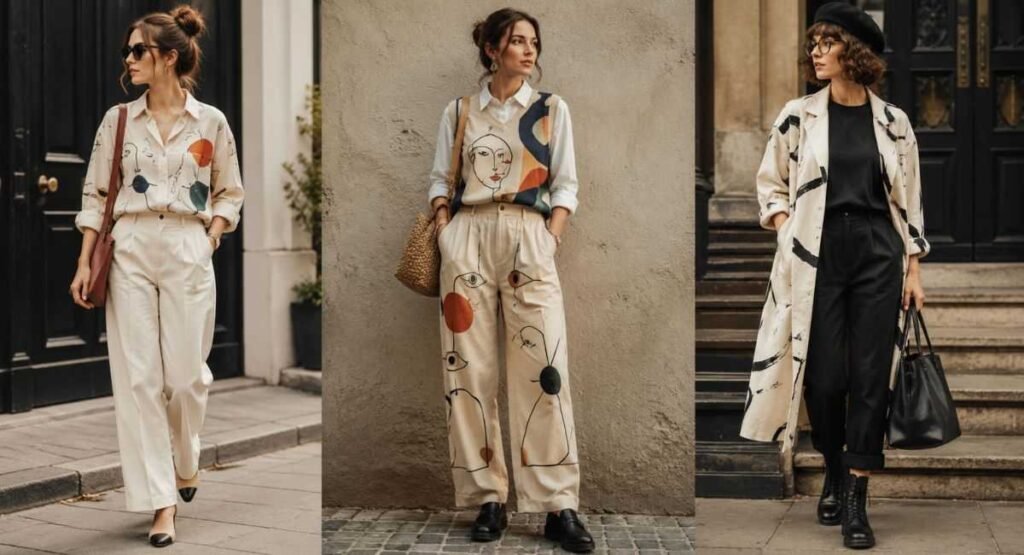
The biggest styling secret is surprisingly simple: choose a focal point. If your jacket has an elaborate print, let it lead. If your shoes have an unusual shape, keep the rest of the outfit quieter. This creates hierarchy and helps every piece look intentional.
You can also use the one-statement-piece rule when you’re new to the aesthetic. Start with basic jeans, a plain shirt, and an artistic handbag. Once that feels comfortable, experiment with texture or color. Over time, you’ll learn which combinations express your personality without overwhelming your frame.
Artsy Accessories That Complete the Look
Accessories can completely change an outfit without requiring a new wardrobe. Sculptural earrings, artistic handbags, patterned scarves, unusual belts, distinctive glasses, and handcrafted jewelry can all introduce personality. These smaller elements are especially useful if you prefer subtle artsy fashion rather than head-to-toe experimentation.
Choose accessories according to the outfit’s strongest feature. A busy printed dress might need only simple jewelry. Meanwhile, a neutral outfit can support a colorful bag or dramatic necklace. Think of accessories as punctuation marks: one well-placed detail can change the entire sentence.
How to Build an Artsy Wardrobe on a Budget
You don’t need a designer wardrobe to dress creatively. Thrift stores, vintage shops, secondhand marketplaces, and local makers can provide unusual pieces at more accessible prices. Look beyond labels and focus on fabric, construction, color, and distinctive details.
Another smart approach is to transform basics. Add a vintage scarf to a plain jacket, pair an old brooch with a cardigan, or use statement shoes to change a familiar outfit. Spend more selectively on pieces you expect to wear often. A memorable coat or versatile statement bag can earn its place quickly.
Artsy Style for Different Seasons
Seasonal dressing gives you plenty of opportunities to change the aesthetic without losing its identity. Instead of chasing a completely new wardrobe every few months, rotate textures, colors, and layering pieces. That keeps the look fresh while making your existing clothing more useful.
Spring and Summer
Warm weather suits lightweight fabrics, flowing dresses, artistic prints, cropped jackets, colorful skirts, and woven accessories. Linen and cotton can keep expressive outfits comfortable when temperatures rise. Try a neutral base with one vibrant piece for an easy summer combination.
Fall and Winter
Cooler months make texture the star. Layer chunky knits, patterned scarves, structured coats, corduroy, suede, leather, and textured trousers. Deep shades such as burgundy, forest green, rust, chocolate, and navy can create a rich palette without relying on loud prints.
Artsy Style vs. Eclectic Style
Artsy style and eclectic style overlap because both encourage experimentation. However, their emphasis differs. Artsy fashion usually centers on creativity, visual expression, and an artistic relationship between garments. Eclectic dressing often mixes influences from different eras, cultures, trends, or aesthetics.
For example, an artsy outfit might combine an abstract blouse with sculptural jewelry because the shapes complement each other. An eclectic outfit could combine vintage denim, bohemian accessories, sportswear, and formal tailoring. Neither approach needs strict rules.
Artsy Style vs. Boho Style
Artsy and boho styles can share flowing shapes, handmade accessories, natural textures, and relaxed layering. Still, boho dressing typically draws more heavily from free-spirited, earthy, and traditionally bohemian influences.
Artsy style has a broader visual vocabulary. It can include minimalist tailoring, geometric patterns, vivid colors, abstract artwork, vintage pieces, or futuristic accessories. So if your outfit feels more like wearable artwork than relaxed festival dressing, you’re probably leaning toward the artsy side.
Common Artsy Styling Mistakes
The most common mistake is treating creativity as a contest. Wearing several statement pieces together can make each one disappear into the noise. Instead, choose a focal point and allow the surrounding pieces to support it.
Another mistake involves ignoring proportion. An oversized jacket can work beautifully with slim trousers, while wide-leg pants often pair well with a more fitted top. Finally, don’t copy someone else’s outfit too literally. Personal style becomes stronger when you borrow an idea and adapt it to your own wardrobe.
How to Make Artsy Style Feel Personal
Personal expression is what makes artsy dressing worthwhile. Start by noticing the colors, shapes, artwork, music, architecture, or vintage references that naturally attract you. Those preferences can guide your wardrobe more effectively than following a rigid aesthetic checklist.
Then experiment gradually. Wear one unusual item with familiar basics, photograph combinations you enjoy, and repeat the details that make you feel confident. Eventually, your wardrobe develops its own visual language. That’s the real goal: not looking like everyone else’s idea of artistic, but looking unmistakably like yourself.
Final Thoughts
Artsy style proves that fashion doesn’t have to follow a neat formula. A thoughtful clash of colors, an unusual silhouette, or a handmade accessory can turn ordinary clothing into something memorable. You don’t need to reinvent your wardrobe overnight. Start with pieces you already love, then introduce creative details gradually.
Most importantly, let curiosity guide your choices. Try combinations that look slightly unexpected, play with texture, and keep the pieces that make you feel confident. When clothing becomes a form of personal expression rather than a checklist, your outfits naturally become more distinctive.
FAQs:
What is an artsy style?
Artsy style is a fashion aesthetic that emphasizes creativity, individuality, and self-expression through unique clothing, colors, textures, and accessories. It encourages mixing artistic elements to create outfits that reflect your personality rather than following mainstream trends.
What are the 7 art styles?
The seven widely recognized art styles are Realism, Impressionism, Expressionism, Cubism, Surrealism, Abstract Art, and Pop Art. Each style has distinct techniques, themes, and historical influences that shaped the art world.
What does “artsy” mean?
“Artsy” describes someone or something that shows a strong interest in art, creativity, or imaginative expression. In fashion, it refers to distinctive outfits that highlight originality through colors, patterns, and artistic details.
What are the 7 types of fashion styles?
Seven popular fashion styles include Classic, Casual, Bohemian (Boho), Streetwear, Minimalist, Preppy, and Romantic. Each style reflects different clothing choices, silhouettes, and personal preferences rather than strict fashion rules.