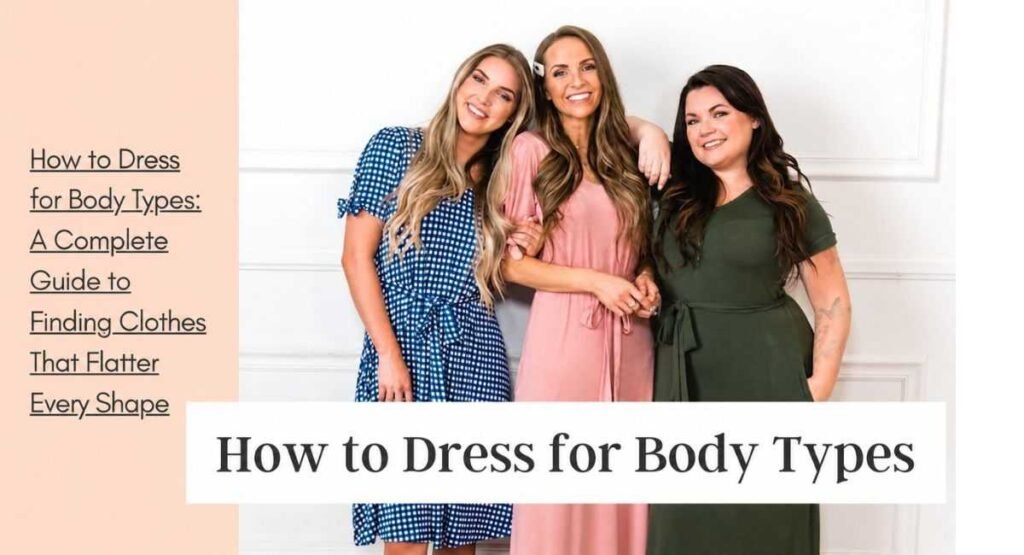
Finding clothes that truly flatter your figure doesn’t have to be confusing. Once you understand how to dress for body types, building stylish outfits becomes much easier. Every body is unique, and the secret isn’t following strict fashion rules. It’s learning how body proportions, body shape, and clothing fit work together to create a balanced look.
Whether you’re refreshing your wardrobe, shopping for everyday essentials, or dressing for a special occasion, choosing pieces that complement your natural silhouette helps you look and feel more confident. In this guide, you’ll discover practical styling tips, expert outfit ideas, and flattering clothing recommendations for every body type so you can dress with confidence every day.
Why Dressing for Your Body Type Matters
Dressing according to your body type is less about following strict fashion rules and more about understanding how garment proportions interact with your natural measurements. Research on clothing fit shows that body shape can affect how people evaluate the fit and appearance of garments, while factors such as ease, balance, line, and garment construction all contribute to the final result. Small design choices can also influence how an outfit is perceived; for example, research has found that changes in the position of garment features such as the bustline can alter perceptions of fit and attractiveness.
This means choosing clothing based on shoulder width, torso length, waist placement, and other proportions can help garments sit more naturally and create a more cohesive overall silhouette. It also does not mean wearing only loose or fitted clothing—different silhouettes can produce different visual effects depending on the wearer’s body shape and garment size.
Understanding Body Shape vs. Body Size
Many people confuse body shape with body size, yet they’re completely different. Your size may change over time, while your body proportions usually stay similar. That’s why two people wearing the same clothing size can look very different in identical outfits.
Think of your body shape as the framework that helps you choose flattering designs. Instead of focusing on numbers on a clothing tag, pay attention to how your shoulders, waist, and hips relate to one another. This simple shift makes shopping far less frustrating.
Body Shape Is About Proportion, Not Perfection
Fashion has moved beyond outdated rules that tell people to hide their bodies. Today, great style celebrates individuality while creating visual balance. Every body shape has unique strengths, and understanding them helps you make smarter clothing choices with confidence.
How to Identify Your Body Shape
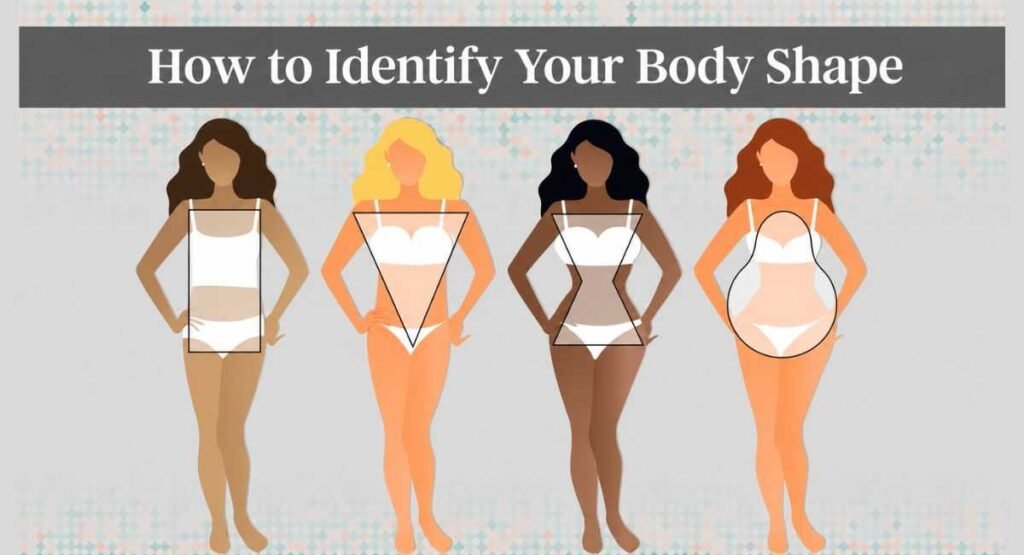
Before choosing the best outfits, you need to understand your natural proportions. Don’t worry if you’ve never measured yourself before. The process only takes a few minutes and gives you a reliable foundation for building a wardrobe that truly works.
Stand naturally while wearing fitted clothing or lightweight layers. Using a flexible measuring tape, record the widest part of your shoulders, bust, waist, and hips. Compare these numbers instead of focusing on exact inches. The relationship between each measurement reveals your body shape.
Measure These Four Areas
- Shoulders: Measure around the widest part of your shoulders to understand your upper-body width.
- Bust: Wrap the measuring tape around the fullest part of your bust without pulling it too tightly.
- Waist: Measure the narrowest part of your natural waist, usually just above your belly button.
- Hips: Measure around the fullest part of your hips while keeping your feet together.
Quick Checklist
- Wear fitted clothing or lightweight layers before taking measurements.
- Stand naturally with your arms relaxed at your sides.
- Keep the measuring tape straight and level around your body.
- Don’t pull the tape too tightly or leave it too loose.
- Write down each measurement carefully.
- Compare your shoulder, bust, waist, and hip measurements to identify your body type.
The 5 Most Common Female Body Types
| Body Type | Main Characteristics | Styling Goal |
| Rectangle | Similar shoulder, waist, and hip measurements | Create curves and definition |
| Hourglass | Balanced shoulders and hips with a defined waist | Highlight your natural waist |
| Pear | Wider hips than shoulders | Balance the upper and lower body |
| Apple | Fuller midsection with slimmer legs | Create a more defined waistline |
| Inverted Triangle | Broader shoulders than hips | Add balance to the lower body |
How to Dress for Body Types: Quick Styling Guide
Learning how to dress for body types doesn’t have to be complicated. Every body type benefits from clothing that creates balance instead of following every fashion trend. Focus on proper fit, body proportions, and comfortable pieces that enhance your natural shape while reflecting your personal style.
As a simple rule, define your waist when it complements your figure, balance your upper and lower body with the right silhouettes, and choose fabrics that drape naturally. Understanding how to dress for body types means paying attention to small details like necklines, jacket lengths, and pant styles, which often make a bigger difference than buying an entirely new wardrobe.
How to Dress a Rectangle Body Type
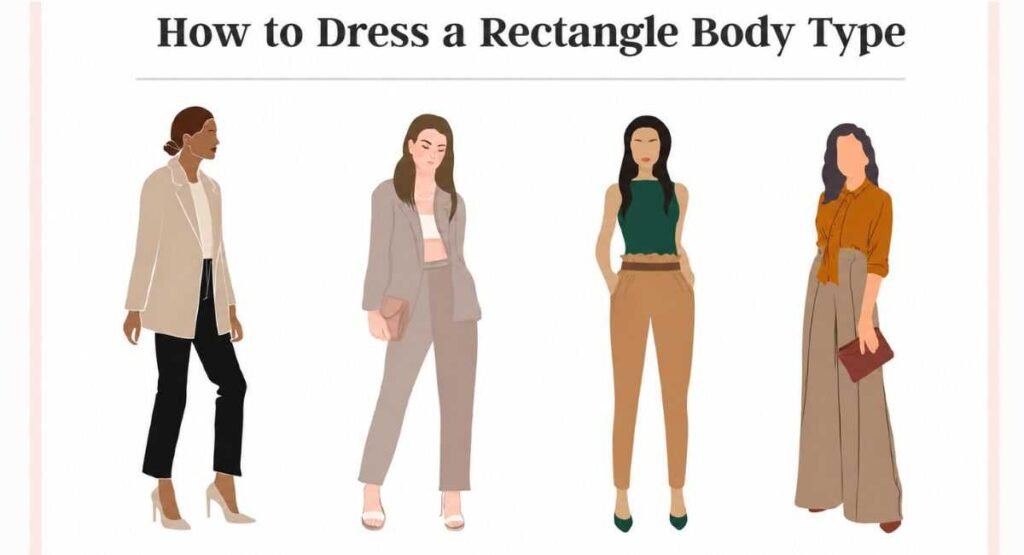
A rectangle body type features shoulders, waist, and hips with similar measurements. Rather than creating dramatic changes, your goal is to introduce gentle curves through thoughtful styling. Pieces that define the waist naturally create a more sculpted appearance.
Look for wrap tops, belted blazers, peplum shirts, layered outfits, and textured fabrics. Wide-leg trousers, pleated skirts, and fit-and-flare dresses also work beautifully because they add movement while creating visual dimension without overwhelming your frame.
Best Pieces for a Rectangle Shape
Choose clothing that naturally creates shape instead of relying on bulky accessories. Waist-defining garments, strategic layering, and soft fabrics make outfits appear polished while maintaining comfort. Even simple wardrobe staples become more flattering when they emphasize proportion rather than straight lines.
How to Dress an Hourglass Body Type
An hourglass body type naturally has balanced shoulders and hips with a well-defined waist. The goal isn’t to create curves because you already have them. Instead, choose clothing that follows your natural silhouette while maintaining body balance and clean lines.
Wrap dresses, tailored blazers, high-rise jeans, pencil skirts, and fitted knitwear usually work best. These pieces define your waist without feeling restrictive. Avoid oversized clothing that hides your figure because it can make your shape appear boxy instead of balanced.
Best Outfit Ideas for an Hourglass Shape
Select structured garments that skim your body rather than cling tightly. A fitted blazer over a simple top with straight-leg trousers creates an elegant everyday outfit. For special occasions, a wrap dress or a belted midi dress enhances your natural proportions without looking overstyled.
How to Dress a Pear Body Type
A pear body type features hips that are wider than the shoulders. Instead of minimizing your lower body, create harmony by drawing gentle attention upward. This balanced approach makes your entire outfit feel intentional while showcasing your natural proportions and personal style.
Choose tops with interesting necklines, puff sleeves, subtle shoulder details, or brighter colors. Pair them with dark straight-leg pants, A-line skirts, or tailored trousers. These combinations create visual balance without making your wardrobe feel limited or repetitive.
Best Outfit Ideas for a Pear Shape
A boat-neck blouse with straight-leg jeans is a timeless combination. During cooler months, add a cropped jacket that finishes at your waist. This simple formula balances your frame while remaining versatile enough for work, casual outings, or weekend events.
How to Dress an Apple Body Type
Apple body types often carry more fullness around the midsection while showcasing slimmer legs and arms. Instead of trying to hide your figure, choose pieces that create a smooth silhouette and highlight your best features through smart styling and balanced proportions.
V-neck tops, empire-waist dresses, open-front cardigans, and structured jackets work especially well. Straight-leg pants and ankle-length trousers complement your frame by creating clean vertical lines that naturally lengthen your overall appearance.
Best Outfit Ideas for an Apple Shape
Build outfits around simple layers instead of bulky fabrics. For example, wear a V-neck blouse beneath a lightweight blazer with tailored trousers. This combination creates structure while remaining comfortable enough for everyday wear and polished enough for professional settings.
How to Dress an Inverted Triangle Body Type
If your shoulders appear broader than your hips, your goal is to add subtle visual weight to your lower half. Rather than softening your shoulders completely, focus on creating balanced proportions with wide-leg pants and A-line silhouettes.
Simple tops without heavy shoulder embellishments pair beautifully with pleated skirts, flared trousers, wide-leg jeans, and printed bottoms. These pieces naturally shift attention downward while maintaining a sophisticated and modern appearance.
Best Outfit Ideas for an Inverted Triangle Shape
A clean crew-neck sweater paired with wide-leg trousers creates a balanced silhouette that feels current and comfortable. During warmer seasons, try an A-line midi skirt with a tucked-in sleeveless blouse to achieve the same visual harmony.
Universal Styling Rules That Flatter Every Body Type
Although every body shape is different, several styling principles work almost universally. These timeless techniques improve almost any outfit because they emphasize proper fit, balanced proportions, and thoughtful coordination instead of temporary fashion trends.
Always choose clothing that fits your current body instead of waiting for future goals. Tailoring inexpensive garments often produces a better result than buying costly clothing with a poor fit. Small adjustments frequently make the biggest difference.
Five Styling Rules Worth Following
| Styling Principle | Why It Works |
| Define your waist when possible | Creates balanced proportions |
| Prioritize proper fit | Makes every outfit look polished |
| Balance volume | Prevents top- or bottom-heavy outfits |
| Choose quality fabrics | Improves drape and comfort |
| Dress for your lifestyle | Builds a practical wardrobe |
Common Dressing Mistakes to Avoid
Many wardrobe disappointments happen because people chase trends instead of understanding proportion. Even expensive clothing can look awkward when the fit doesn’t complement your frame. Paying attention to garment structure and body balance often solves the problem immediately.
Avoid buying clothing simply because it’s fashionable. Oversized pieces, extremely tight garments, poorly placed waistlines, and stiff fabrics don’t flatter every body type. Build your wardrobe around pieces that fit well, feel comfortable, and work together effortlessly.
Smart Shopping Checklist
- Buy for your current body, not your future size.
- Try different cuts before choosing a style.
- Focus on fit before color or pattern.
- Invest in versatile wardrobe staples.
- Tailor key pieces whenever needed.
The most stylish wardrobes aren’t always the largest. They’re carefully curated collections of clothing that fit beautifully, mix easily, and make getting dressed feel simple every single day.
Can You Have More Than One Body Type?
Many people don’t fit perfectly into a single category, and that’s completely normal. Your body proportions can share characteristics from two different shapes, especially if you’ve experienced weight changes, strength training, pregnancy, or natural aging. Think of body types as flexible guides rather than strict labels.
If you notice features from more than one shape, focus on the styling advice that solves your biggest fit challenges. For example, you may have pear-shaped hips with slightly broader shoulders. Instead of forcing yourself into one category, combine techniques that create the balance you want.
Blend Styling Tips with Confidence
Fashion is personal, not mathematical. The goal isn’t to match a textbook body type but to build outfits that make you feel comfortable and confident. Trust the mirror more than labels because the best outfit is always the one that fits your unique proportions.
How to Balance Your Body Proportions
Every body shape has its own natural proportions, and the goal isn’t to change them. Instead, you can create visual balance by choosing clothing that highlights your best features. Small styling adjustments often make a bigger difference than following every fashion trend, helping you achieve a polished and confident look.
Creating balanced proportions starts with understanding how different clothing elements affect your silhouette. Necklines, sleeve styles, waist placement, hemlines, and layering techniques all influence how your body appears. When these details work together, your outfit looks more harmonious without sacrificing comfort or personal style.
Simple Ways to Create Better Proportions
| Styling Element | Best Tip | Effect |
| Necklines | V-neck or scoop neck lengthens the upper body, while boat necks add shoulder width. | Creates upper-body balance. |
| Waist Placement | High-waisted bottoms define the waist and elongate the legs. | Improves overall proportion. |
| Layering | Open blazers and lightweight cardigans create vertical lines. | Makes the body appear taller and slimmer. |
| Hemlines | Choose skirt and dress lengths that end at flattering points, such as just above or below the knee. | Prevents a boxy appearance. |
| Belts | Use belts to emphasize the natural waist when appropriate. | Adds shape and definition. |
| Sleeves | Three-quarter and slightly structured sleeves help balance the upper body. | Creates a more symmetrical silhouette. |
Dress for the Season Without Losing Balance
Seasonal fashion should enhance your wardrobe rather than replace it. Whether you’re dressing for a warm European summer or a cold North American winter, maintaining balanced proportions helps every outfit feel polished. Choose seasonal layers and lightweight fabrics that complement your body shape.
During warmer months, breathable cotton, linen, and soft rayon create comfortable silhouettes without unnecessary bulk. In colder seasons, layer fitted knitwear beneath structured coats instead of piling on oversized pieces that hide your natural proportions.
Seasonal Styling Tips
Spring and summer are ideal for lighter fabrics, softer colors, and flowy dresses. Fall and winter call for tailored coats, quality knitwear, and structured boots. Regardless of the season, proper fit should always remain your highest priority.
Confidence Is the Best Styling Secret
The most flattering outfit isn’t always the trendiest one. It’s the outfit that allows you to move comfortably, feel authentic, and express your personality. Great style begins with self-confidence and personal expression, not unrealistic beauty standards.
Don’t feel pressured to follow every fashion rule you read online. Use styling principles as helpful tools while adapting them to your own preferences. Confidence turns simple clothing into memorable outfits because people notice how you wear your clothes as much as what you’re wearing.
Final Thoughts
Learning how to dress for body types isn’t about limiting your wardrobe. It’s about understanding your proportions so you can make smarter style decisions with confidence. Once you recognize what works for your frame, shopping becomes easier, your outfits feel more intentional, and your closet starts working for you instead of against you.
Remember that fashion has no universal rulebook. Your body doesn’t need to change to deserve great style. Build a wardrobe around pieces that fit well, reflect your personality, and make you feel your best every day. When comfort, confidence, and balance come together, you’ll discover that great style isn’t about having the perfect body—it’s about wearing the right clothes for the body you already have.